12 overlooked PC building tools I wish I’d started using years ago

I’ve been building PCs for over 20 years, and though I’ve gotten pretty good at it, a big part of that is due to the tools I use.
Everyone knows you need a decent Phillips screwdriver and enough space to build comfortably, but over the years and many builds, I’ve acquired a collection of extras that make the whole process even smoother.
From improved lighting to magnetic trays for all your screws to a blob of sticky tack that’s surprisingly useful, here are my picks for the most overlooked PC building tools that should be in your kit.
LED flashlight gloves
Hinshark
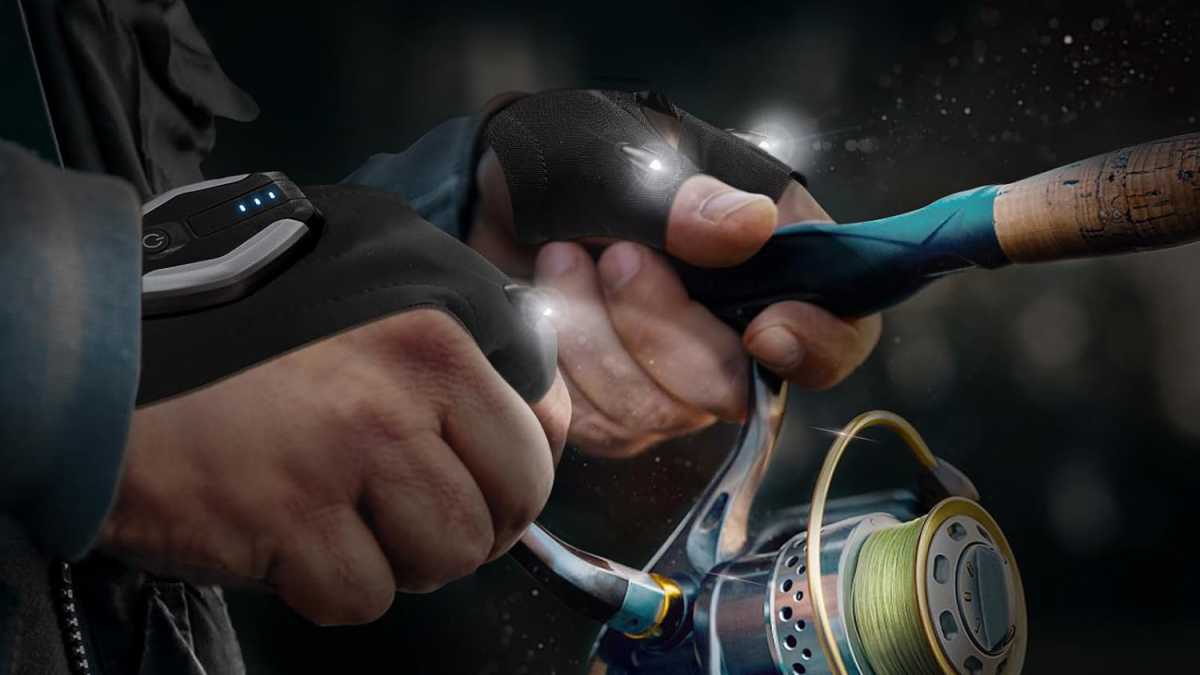
If you’ve built even a single PC, you’ll know that lighting is a real problem. Black PC cases with lots of nooks and crannies make it hard to see what you’re doing—even with good overhead lighting. Angle lamps are great, but I’m a big fan of hands-free lighting that can peer into any bit of darkness as needed, ideally without stopping what I’m doing.
Some people use headlamps, but I find these LED flashlight gloves work a lot better. Yes, you do need to point your fingers exactly where you want the light to go, but that’s fine since you’re already deep in the case while working on it. It lets you aim the light at all those weird angles that could normally stump you, and it’s excellent for locating screws that fall behind the motherboard tray or PSU shroud.
Needle-nose pliers
Workpro
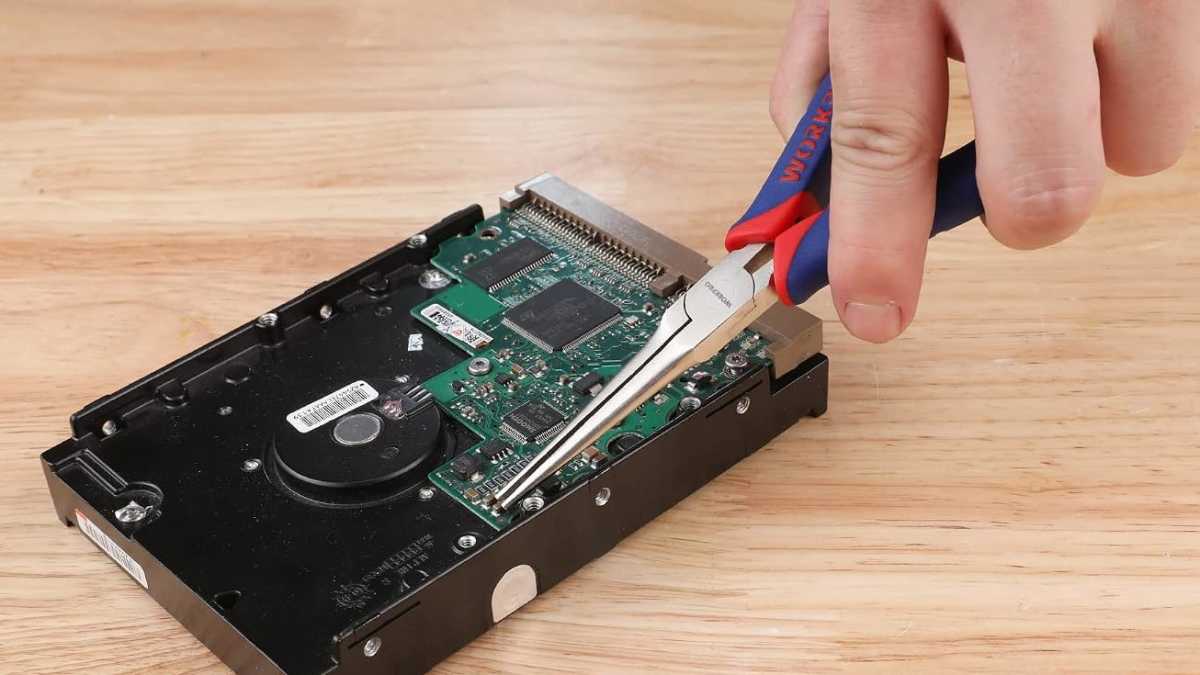
My hands aren’t the biggest, but even my fingers can’t get into some of the tinier confines of modern desktop PCs and laptops. What do you do when you’ve lost screws deep within a case? One option is to lift the whole thing up and shake it upside-down like it owes you money. My preference is to use needle-nose pliers—or in a “pinch,” a hemostat—for reaching into those places where your fingers simply can’t.
Extra-long magnetic screwdriver
Kyuionty
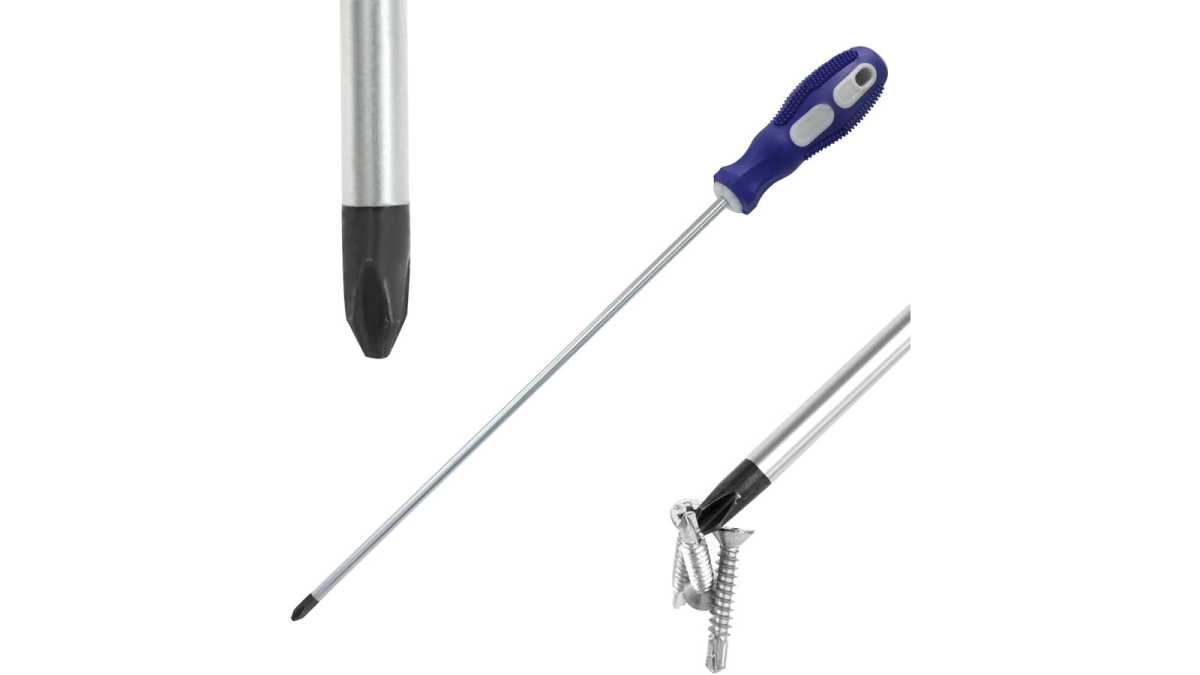
You already have a screwdriver, but do you have a long-neck model with magnetic tip? A standard screwdriver is fine most of the time, but this is a great supplementary option that can really save your bacon in certain cases. The long neck makes it easier to screw stuff in without having to reach all the way into the case, and the magnetic tip makes screw recovery from hard-to-reach cracks easier.
Screw assortment kit
I’ve been building PCs for over 20 years, and though I’ve gotten pretty good at it, a big part of that is due to the tools I use.
Everyone knows you need a decent Phillips screwdriver and enough space to build comfortably, but over the years and many builds, I’ve acquired a collection of extras that make the whole process even smoother.
From improved lighting to magnetic trays for all your screws to a blob of sticky tack that’s surprisingly useful, here are my picks for the most overlooked PC building tools that should be in your kit.
LED flashlight gloves
Hinshark
If you’ve built even a single PC, you’ll know that lighting is a real problem. Black PC cases with lots of nooks and crannies make it hard to see what you’re doing—even with good overhead lighting. Angle lamps are great, but I’m a big fan of hands-free lighting that can peer into any bit of darkness as needed, ideally without stopping what I’m doing.
Some people use headlamps, but I find these LED flashlight gloves work a lot better. Yes, you do need to point your fingers exactly where you want the light to go, but that’s fine since you’re already deep in the case while working on it. It lets you aim the light at all those weird angles that could normally stump you, and it’s excellent for locating screws that fall behind the motherboard tray or PSU shroud.
Needle-nose pliers
Workpro
My hands aren’t the biggest, but even my fingers can’t get into some of the tinier confines of modern desktop PCs and laptops. What do you do when you’ve lost screws deep within a case? One option is to lift the whole thing up and shake it upside-down like it owes you money. My preference is to use needle-nose pliers—or in a “pinch,” a hemostat—for reaching into those places where your fingers simply can’t.
Extra-long magnetic screwdriver
Kyuionty
You already have a screwdriver, but do you have a long-neck model with magnetic tip? A standard screwdriver is fine most of the time, but this is a great supplementary option that can really save your bacon in certain cases. The long neck makes it easier to screw stuff in without having to reach all the way into the case, and the magnetic tip makes screw recovery from hard-to-reach cracks easier.
Screw assortment kit