U.S workers just took home their smallest share of capital since at least 1947—and the lowest ever recorded
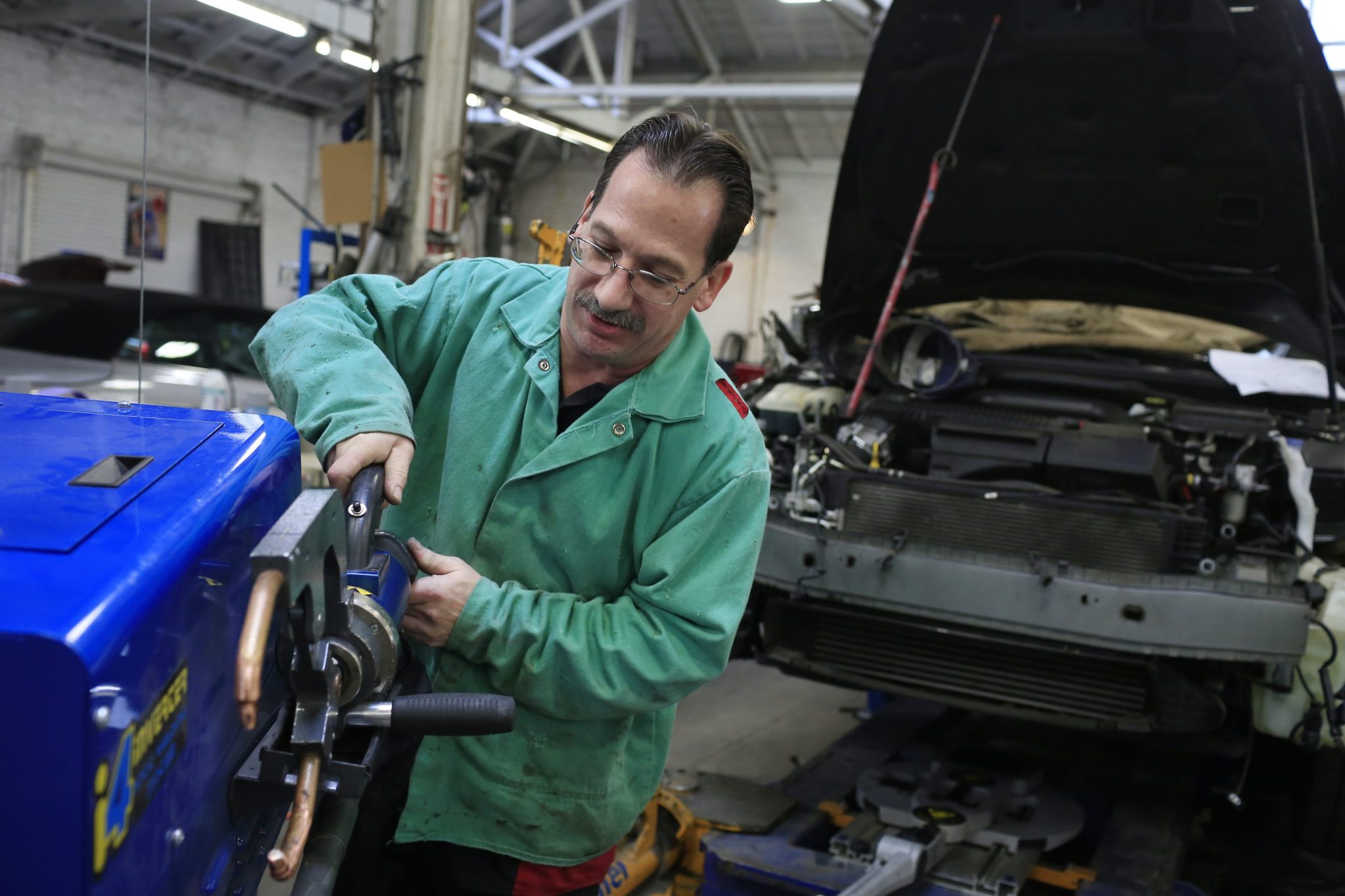
As corporate earnings soar and U.S. GDP balloons, the American workforce isn’t feeling the same boom. American workers are taking home less of the country’s overall income, data from the Bureau of Labor Statistics shows, and employment in the U.S. is set to continue to slow.
Labor share, or the portion of the U.S.’s economic output that workers receive through salary and wages, decreased to 52.8% in the second quarter of 2026, its lowest level since the BLS started recording this data in 1947, according to its labor productivity and costs report. In the previous quarter, labor share was at 53.6%. This decade, the labor share average was about 55.6%.
That’s despite corporate earnings skyrocketing, with profits for Fortune 500 companies hitting a record $2.1 trillion in 2025. The U.S. GDP grew 3.4% in the third quarter last year, exceeding economists’ predictions.
That growth has not only come at the expense of how much of the pie of wealth workers are taking home, but also how many Americans are in the workforce, economists warn.
“That decline in the share of labor has got to be either falling earnings or falling numbers of people,” Raymond Robertson, a labor economist at Texas A&M’s Bush School of Government, told Fortune. “The falling share of income is having to do with the shift towards capital.”
Indeed, there are growing signs that as national income balloons, the U.S. workforce is deflating. Unemployment ticked up to 4.2% in September, and employers added just 584,000 jobs in 2025 compared to 2 million added in 2024. The U.S. added 29,000 jobs in September, about one-third of economists’ projections.
The bifurcation of corporate victories and weak labor data raises concerns among economists of jobless growth jeopardizing the U.S. workforce, as well as a K-shaped economy, where the rich get richer while the poor get poorer, becoming more exaggerated.
“Data right now is very mixed,” Robertson said. “But I think it also all consistently points to this idea that things are getting worse for workers and much better for billionaires.”
What is causing jobless growth?
Robertson attributes weakening labor share averages to the rise in automation, which he noted is displacing workers, with productivity—a metric essentially measuring worker output—continuing to rise. Second-quarter GDP data showed nonfarm productivity growth grew 1.4% last quarter, though the rate has slowed from 2.2% in the same quarter a year ago.
“All these things, bit by bit, are replacing people, and they’re concentrating income and their share of capital,” he said.
Goldman Sachs analysts Joseph Briggs and Sarah Dong estimated in a report, based on Department of Labor job numbers, that AI automation could displace 25% of all work hours. They predicted that over the course of the AI adoption period, a 15% increase in AI-driven productivity would displace 6% to 7% of jobs, and, at its peak, a 1 million increase in unemployed workers, though job displacement as a result of AI has not shown up meaningfully in any economic data.
The displacement could be substantial, the analysts said, but said the impacts of automation will be tempered by a wealth of new jobs created as a result of the technological changes.
Automation is expected to be a boon to corporate profits and GDP, projected to boost GDP by 1.5% by 2035, according to a Wharton brief published in September 2025. Early signs indicate AI could drive productivity gains, with around 80% of employees reporting AI makes them faster at specific tasks, but only 37% of companies seeing an impact of that productivity on operating profits, according to McKinsey data, and AI operating costs continue to constrain its deployment.
Robertson added that growing unemployment, which he expects to see rise over the next few months, keeps wages down, allowing margins and profits to expand.
To be sure, the recent productivity surge has been an “open question,” Morgan Stanley economists have argued, not unanimously attributed to increased adoption of AI or automation. The analysts suggested this increase would be cyclical, or vestiges of pandemic-era habits of companies making more from less.
An Oxford Economists research brief from earlier this year suggested companies are disguising overhiring-related layoffs as a result of AI, but said automation-related workforce reductions have not yet happened en masse. Additionally, while unemployment has been ticking up over the past year, it is still relatively low.
Why is an immigration crackdown backfiring on U.S. labor?
Mark Regets, senior fellow at National Foundation for American Policy (NFAP), sees a different reason for a slowing workforce. He told Fortune President Donald Trump’s immigration crackdown has not done what Trump administration officials, such as White House Deputy Chief of Staff Stephen Miller, said it would in increasing the number of U.S.-born workers. Instead, according to Regets, Trump’s immigration policies have not only decimated the foreign-born workforce, but has also created fewer opportunities for domestic-born workers to find jobs.
NFAP data shows a 1.1 million to 1.4 million-person reduction in the foreign-born workforce since January 2025, consistent with the