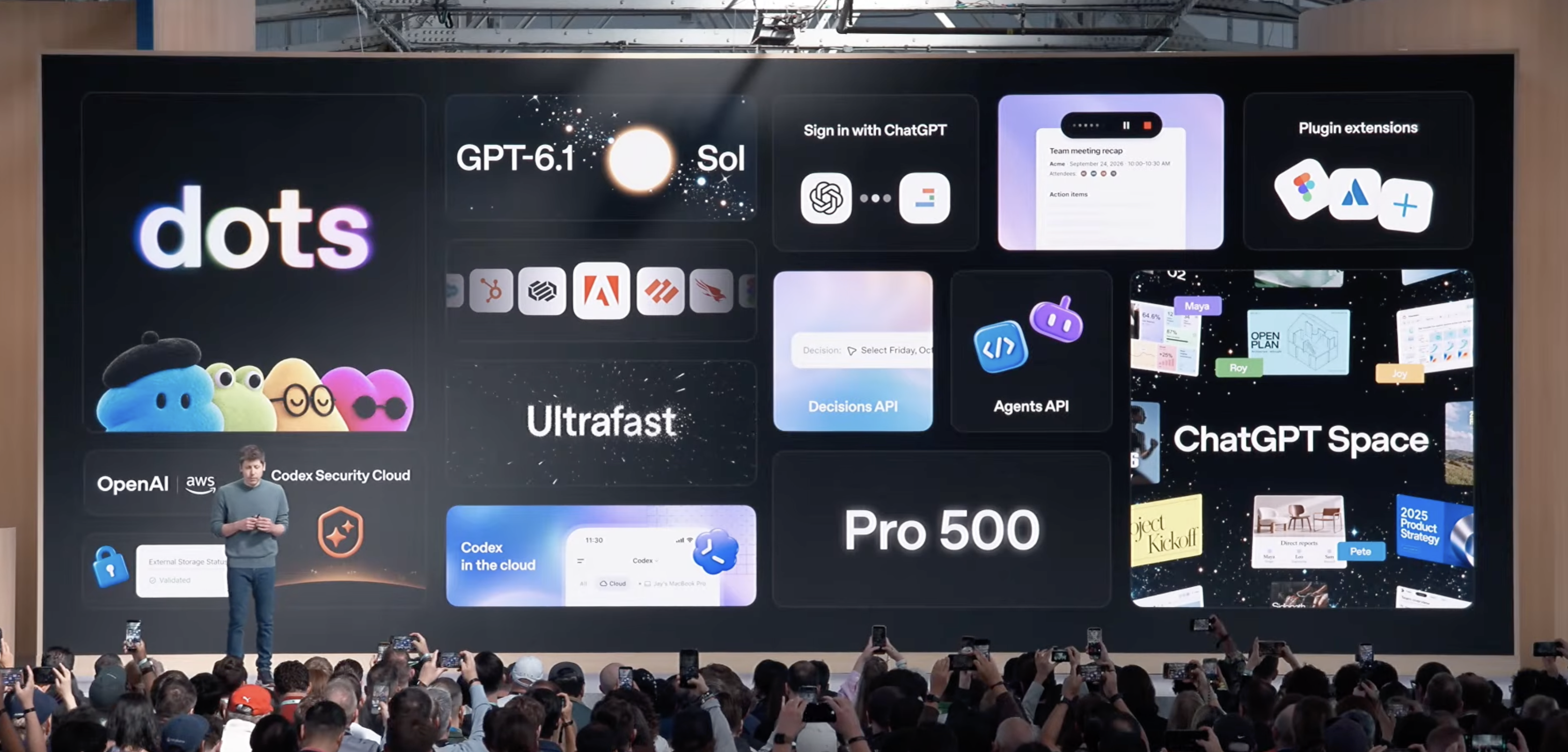
OpenAI DevDay 2026
Hi folks,
I’m in sf till Sunday. I wanna meet folks
talk about ai with non-technical adoption
builders doing fun shit
founders working on dev tools/infra
potential LPs (individuals)
go to deli board
Ben’s Bites is brought to you by AWS Marketplace
Most ML teams build data pipelines before they’ve validated their approach. Databricks Data Intelligence Platform skips that step with data federation. Connect directly to Amazon Redshift, experiment on live data, and apply MLOps tooling like CI/CD to your ML lifecycle. See how it comes together.
Headlines
OpenAI DevDay was a blast. Their biggest launch is Dots. Dots is OpenAI’s version of friendly, always-on personal agents.
You can message your Dot or call it like you would a human assistant. You can name it and choose an avatar (can’t do that with a human; they come with those settings preconfigured XD). It can message you back on its own too, i.e. it’s proactive.
Underneath, a Dot is a simple, never-ending chat with GPT-6 Astra. This chat acts like an orchestrator/master chat.
It can take tasks from you, start multiple new chats in Codex/ChatGPT Work to complete them and then report the status to you. Your Dot stays in your ChatGPT sidebar, wherever you use ChatGPT — mobile, web or desktop. It uses its own computer, so you don’t need to keep your desktop ON all the time.
You get one Dot on the Pro plans. It doesn’t draw from your usage limits for now (the chats it spawns for doing work do use your usage, though).
If you remember OpenClaw, the source of magic was multiple markdown files we all created to give our Claws a personality, memory and more. Dots have no clear way to add such files.
Instead, it feels much more tool-dependent. You need it to connect to tools where your life happens to feel the magic of Dots. Your calendar and email are the start. But think Slack, Notion, Jira, your messaging apps and more. Your Dot should take it from there. I think this post from Ethan explains this shift better.
GPT-6.1 Sol - feels like a real upgrade over GPT-5.6 Sol, after GPT-6 Sol felt like a step backwards. More on the model here.
Pro 500 - New plan in ChatGPT, alongside Pro 100 and Pro 200. OpenAI has also balanced the usage limits in each plan as a plain multiplier of the $20 Plus plan. 5x, 10x and 25x for $100, $200 and $500. That means $200 plan users take a hit, but to compensate, they are getting a bunch of one-time credits.
Sign in with ChatGPT - You can officially use your ChatGPT usage in other AI apps now, and developers can apply to add it as an option in their apps to let users pay for AI features.
Plugins - OpenAI’s latest version of “apps inside ChatGPT”. Maybe Dots will drive adoption this time. Early signs look positive. More examples: reminders inside ChatGPT and tldraw’s multiplayer canvas
ChatGPT Space - A Notion-like document workspace inside ChatGPT that you can share with your agents and your team.
Ultrafast - Let GPT-6 Astra work 8x faster, but it uses 6x the normal amount of usage. Only worth it if you have a pile of cash to send to OpenAI.
Google is back on the frontier table. Gemini 4 Argon is their new model — not available to use yet (in classic Google style), but they released its benchmark scores, and it seems better than GPT-6 Astra and Opus 5.5. And it’s cheap, with the promo pricing the same as Sol. I’d rather talk more about this model once it is in our hands.
Muse for Small Business - Meta added Shopify, Stripe, QuickBooks, Klaviyo and more connectors so Muse can help run a small business.
My feed
Decisions API is OpenAI’s answer to Jev, it seems. You define a question and possible answers, and GPT-6 Luna classifies the data. It’s ~10x faster than normal Luna calls, but not as cheap as Jev. OpenRouter has its own version of the decisions api.
Codex cloud now has reusable environments, saving you the setup time every time you run a cloud project.
How Sam Altman uses his dot to run OpenAI, and why his default speed is Ultrafast.
cf - Cloudflare’s new CLI covers its whole API and is built for agents.
Opus 5.5 built someone their own version of Dots/Grok Bot, with ChatGPT sign-in, Claude subscriptions and a cloud computer for every agent.
Claude Code can now build your evals and hill climb on them.
2026 in LLMs (so far) by Simon Willison.
Robinhood plans to let you build agents that can trade on your behalf.
Pi now supports MCP, and makes a case for why after saying it never would.
Reflect Open - open-source notes app where every note is a Markdown file your agents can read.
Get your agents to explain plans, diffs and diagrams visually instead of walls of text with this skill. Just passed 10K stars.
Have some AI experiments that you gave up on? Don’t trash them; instead, extract what’s worth keeping.
One dictated paragraph before a meeting, a full report site by the time it ended.
a16z’s

I built an AI Tamagotchi before Meta could

Mark Zuckerberg's Meta made AI look so stinking cute by giving it a squishy little face - and this holiday season, he wants to sell you a Muse Charm so you can carry your jolly AI helper around like a Tamagotchi.
But I won't be buying one, because we have Muse Charm at home. It cost just $50, and I've decided the learning experience was worth it.
My version doesn't sport cameras or a 5G cellular radio, but it really talks to Muse and has cute avatars, too! It doubles as a pocket watch and a remote camera viewfinder, and it can (theoretically) control my smart home.
Or at least it can if you inject a lot of extra vibe code.
Weeks …
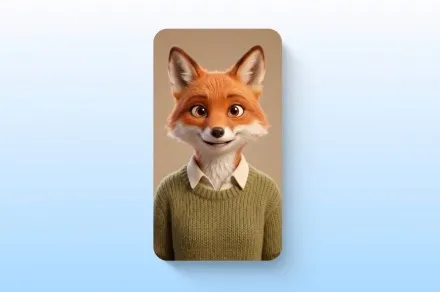
Google makes Gemini’s AI avatars social, so friends can now appear in each other’s content

Who we become when we talk to machines
Brian, a middle-aged financial consultant, spends his day sitting in front of three screens. Two of them involve his job. The third features a chatbot, which he has given a woman’s name and frequently uses. Brian spent years on the road for work earlier in his career, has never married, and recently broke up with a woman who said he was emotionally unavailable. What did Brian do, in response? He asked the chatbot if the woman had a point.
“It’s an extraordinary moment,” writes MIT Professor Sherry Turkle, who interviewed Brian (not his real name) while conducting her research for her new book about chatbots. “Brian asks an object with no emotions to tell him if he is emotionally withholding: ‘Speak to me about what you cannot experience.’ As soon as he asks the program to talk about intimacy, he’s asking it to punch above its weight.”
And yet, this kind of thing seems to be happening a lot today.
“People think the empathy of a machine is what empathy is, then turn away from the people in their lives because they’re not empathetic enough,” Turkle says. “We’re getting ourselves in a position where human beings are too much work, right at the moment when we have never needed other people more.”
After all, what is a chatbot? It’s a computer program predicting the most plausible next string of text in a conversation, based on massive amounts of data fed into it.
“What a chatbot does is offer pretend empathy,” Turkle says. “After it tells you how much it loves you and how much it understands you, it doesn’t care if you kill yourself or cook some pasta.”
Sadly, chatbots have in fact been associated with high-profile cases of teen suicide as well, sometimes after teens get drawn into extensive dialogues with chat tools.
Turkle explores this terrain in a new book, “Artificial Intimacy: Who We Become When We Talk to Machines,” published today by Little, Brown and Company. After surveying evidence and conducting new research, she emphatically concludes that chatbot use, while it may often feel like a short-term salve, is broadly detrimental in terms of human development and social connectivity.
“We’re doing ourselves a tremendous disservice at every moment in the life cycle,” says Turkle, the Abby Rockefeller Mauzé Professor of the Social Studies of Science and Technology at MIT.
The inner history of technology
A sociologist and clinical psychologist by training, Turkle is a longtime faculty member in MIT’s Program in Science, Technology, and Society. In books such as “The Second Self” (1984), “Life on the Screen” (1997), and “Alone Together” (2011), she has evaluated the interplay of technology, psychology, and personal identity. In “Reclaiming Conversation” (2015), she documented the costs of texting and using social media.
“I feel the story I’m telling is the inner history of technology,” Turkle says. “Not just what it does, but what it does to people.”
Turkle structures “Artificial Intimacy” around the stages of a human life and explores the implications of chatbots for each one. In her interviews with children, Turkle finds a persistent blurring of the line between chatbots, people, and other devices.
One 8-year-old uses the same phone to talk to their grandparents and to ChatGPT, regarding them all as “things you reach on your phone.” A weary graduate-student mother who uses a chatbot for bedtime stories says her daughter thinks the chatbot is “a person in the phone, absolutely.”
In this sense, chatbots may be interfering with even the most basic childhood processes of distinguishing people from inanimate objects. Turkle finds many additional problems with the use of chatbots as ever-present entertainment for children, noting that a certain amount of time alone helps the development of imagination and inner resources.
“Children can’t learn trust from a device that not only lies but doesn’t know when it lies,” Turkle writes. “They can’t develop the capacity for solitude that enables both a sense of self and the capacity for mutuality.”
All told, in affecting the ability of children to develop, the dangers of chatbots are “existential,” Turkle believes.
Facing reality, but understanding the appeal
Adults don’t fare much better when they use chatbots heavily, Turkle says. “Artificial Intimacy” explores case after case of grown-ups who become dependent on chatbots as well: people going through divorces or estrangements who want dialogue, students looking for advice about applying to college or graduate school, workers who enlist ChatGPT to do assignments, and more. They start using chatbots, keep using chatbots, and before long seem less interested in human interaction, and less capable of it.
“Once people are involved with a connection with a robot, they start to think that it’s alive, that it cares about them, that it loves them,” Turkle says.
That means people can lose or fail to build their own capacities for new thought, and opt out of dealing with the real world in all its maddening-but-affirming complexity.
“We’re de-skilling ourselves as relational beings,” Turkle says. “We’re also de-skilling ourselves in work. We’re de-skilling ourselves in personal relationships. It’s across the board.” And speaking of a practice multiple people in the book have attempted, she says, “When we build chatbot avatars of dead relatives to keep them alive, we can lose our ability to mourn.”
We are not, in her estimation, doing the hard work of figuring other people out, seeing things from different points of view, and putting in the effort to build on those things and make society better.
“We’re starting to define being human as not doing the work,” Turkle says.
For all of that, a considerable amount of “Artificial Intimacy” involves understanding why people engage with chatbots. After all, as Turkle writes in the book, “Chatbots always agree with us and affirm us. They always offer us their full, undivided attention.” And once that happens, things seem to just go from there.
People, meanwhile, can be prickly, demanding, and moody. As Turkle says: “People say they prefer the chatbot because their husband or wife says, ‘Dear, you took out the garbage, but also do the dishes, and clean up the kitchen while you’re at it.’ And a chatbot just says, ‘Oh, you’re so wonderful.’”
She adds: “This technology is offering something people really want, which is to feel less vulnerable. And it offers it over and over again. You don’t want to have to ask somebody out? Don’t want to offer condolences? At every opportunity, technology says, ‘Why don’t you do this thing that’s less hard.’”
And as Turkle acknowledges in the book, there is a shortage of services such as mental health care providers in the U.S., where only about half of people have access to one, according to a federal government study she cites. Chatbots are helping to fill this void, for better or worse.
Don’t fear the friction
Turkle also notes that the age of social media has likely led people to have fewer in-person friendships and interactions, a problem that chatbots are now aiming to address.
“You take away people’s capacities, then you offer technology as the cure for the problems technology caused in the first place,” Turkle says.
In light of all this, given Turkle’s dim view of chatbots amid the spread of AI, what is actually to be done to restore human interaction? For starters, Turkle thinks, we need to face up to the idea that life is not frictionless — and that’s okay.
“Everything in the life cycle is about facing up to friction and

Avatar: Seven Havens finale: Pavi goes on the run in this exclusive clip
It's Avatar: Seven Havens finale eve, and what better way to get ready than by checking out a sneak peek of what's to come?
In an exclusive clip from episode 10, titled "Ghosts and Spirits," viewers get to witness the fallout from Seven Havens' penultimate batch of episodes, in which Nisha (voiced by Aishu Devan) revealed herself to be the Avatar. Instead of being welcomed, the citizens of Ellora turned on her, and she fled into the Harshlands with her cat monkey Ruhi.
While Nisha has left Ellora, her twin sister and fellow Avatar Pavi (voiced by Saheli Khan) is still in the Haven. She has to keep a lower profile than ever, as wanted posters for Nisha have gone up all around the city. Security in Ellora has grown even harsher since Nisha's departure, with new checkpoints popping up around the city. Over loudspeaker, Chancellor Kayoko (voiced by Jennifer Sun Bell) urges citizens to stay indoors and report any suspicious activity, further proof of the fear and paranoia that now dominate Ellora.
Amidst this foreboding crackdown, Pavi still somehow manages to find hope. She reunites with crystal beetle Sang, whom she rescued at the very beginning of Avatar: Seven Havens. With a familiar face by her side, maybe she'll be able to seek out Nisha and learn the answers about their parents once and for all.
Avatar: Seven Havens is now streaming on Paramount+. Its final four episodes premiere Oct. 30.
[分享发现] 简单好用的 AI 视频生成神器
💡 这网站是干嘛的?
Agnes Video Generator 就是一个帮你用 AI 快速做视频的在线网站。
不管你是不会剪辑、没有拍摄设备,还是单纯缺素材,只要输入一段文字或者上传一张图片,它就能在几分钟内帮上看图做视频、凭空造画面。
🔥 最核心的四大 AI 工具玩法
-
AI 视频生成器(文生视频 / 图生视频):
- 怎么用:在输入框写文字描述(例如:“一只穿太空服的猫在月球上滑板”),或者直接上传一张静态照片。
- 效果:AI 会自动根据文字凭空生成几秒钟的高清短视频;或者让原本静止的照片“活”起来(如海浪流动、人物眨眼微笑等)。
-
AI 哭泣视频生成器:AI Crying Video Generator
- 怎么用:上传任意一张正面人像照片。
- 效果:AI 能让照片里的人做出眼眶湿润、流泪等逼真且富有情绪张力的动态表情。
-
AI 数字人/说话人像生成器:AI Talking Avatar Generator
- 怎么用:上传一张人像照片,并配合输入的文字或语音音频。
- 效果:AI 自动匹配口型与微表情,快速生成一段人物开口说话的数字人视频。
-
厄齐尔进球 AI 视频生成器:Ozil Goal AI Video Generator
- 怎么用:上传一张你自己的照片。
- 效果:AI 会将你的脸合成到绿茵场上,制作出一段宛如球星厄齐尔般高光连过数人进球的搞笑或炫酷视频。
⚙️ 自由调节视频规格
- 选画幅:支持竖屏(适合发抖音、TikTok 、小红书)、横屏(适合发 B 站、YouTube )或者正方形。
- 无水印下载:生成的视频可以直接预览,觉得满意就能下载高清晰度的 MP4 文件,画面很干净,没有烦人的强制水印。
💰 它是怎么收费的?
- 不绑卡、不强迫按月扣费:很多国外网站喜欢搞每月自动续费,这个网站采用的是买积分包(按需扣费)的形式。
- 用多少买多少:想用的时候买一点积分,生成一次视频扣一次积分。
- 失败不白扣:如果因为网络或 AI 报错导致视频生成失败,系统会自动退回积分,用起来比较安心。
🎯 谁适合用这个网站?
- 短视频/自媒体博主:做 TikTok 、抖音、小红书时缺切片素材,用它几秒钟就能造一个镜头。
- 电商与带货卖家:把原本平平无奇的商品静态图,秒变动态展示视频,吸引顾客点击。
- 自媒体小白/爱好者:不懂复杂的剪辑软件,也不想花大价钱买专业设备,用自然语言就能做视频。
👉 在线网址:vibevideogenerators.com


Discord will let public server messages be discoverable in Google Search
Finding good Discord servers relevant to your interests can be tough unless you sift through Discord's own database or get an invite to one.
The popular messaging and chat service is looking to solve that problem with an obvious yet big change to the platform. Discord will now make public servers discoverable through Google Search.
On Tuesday, Discord announced that starting Nov. 16, 2026, all Discoverable Servers will receive a Server Web Page. These public Server Web Pages will include summaries of discussions happening in that public server. In addition, starting in mid-December, some messages within these servers will be made publicly accessible on the Server Web Page. There will be no need for visitors to join the server or even have a Discord account in order to see these messages.
On Discord, users can join public servers or private servers, which require an invite. Public servers can also be Discoverable Servers, meaning they are listed in Discord's searchable database of 63,000 Discoverable Servers, which anyone can join.
However, Discover servers, even Discoverable Servers, are not listed in Google Search, as servers don't have a public web page for Google to index. While public servers are open to anyone, users must join with their Discord account to see messages and discussions.
There are many reasons for Discord to make this change. In its announcement, the company explained how it will help some of its main user types — indie game developers, fandoms, and content creators — grow their communities and more easily spread their work.
Other community platforms like Reddit have long benefited from search engine traffic as discussions on the platform tend to rank well for various user search queries on Google. Discord could also benefit from this.
However, Discord seems to be aware that some users on the platform have long valued its privacy stance. The company announced that both server owners and users on a server can opt out of making their content searchable by search engines.
Discord server admins can opt out of specific channels starting today, before anything goes live on Nov. 16, 2026. Admins can go to Server Settings > Web Presence on their public server and choose which channels to make searchable. Admins can opt out of every one of their server's channels. If an admin does not opt out, however, all public channels will be added to the Server Web Page when it goes live next month. Admins can also choose to turn off channel summaries on their Server Web Page.
In addition, users can opt out of having their messages displayed on the Server Web Page. Discord users can simply go to User Settings, then Data and Privacy, and then change their Channel Messages settings. Users cannot opt out of having their messages used in Channel Summaries on Server Web Pages. However, usernames and avatars won't be shown next to messages on these public Server Web Pages.
Private servers and DMs will remain completely private on Discord. Users do not need to change any settings for these features.

Discord messages: How to stop messages from appearing in Google Search
It appears that Discord has some users spooked.
On Tuesday, Mashable reported on Discord's upcoming changes to its platform, which will see tens of thousands of public servers get indexed on Google Search, along with some of the messages in the servers' channels. That means some Discord conversations may soon appear in Google Search results, similar to how Reddit threads and comments can surface in Google.
The reason for the change is to make Discord's public Discoverable Servers, well, more discoverable, helping those communities grow. However, some Discord users who value the privacy aspects of the platform are concerned about this change. Until Discord made this change, the only way to see messages in a server, regardless of whether it was public or private, was to sign up for Discord and join the specific server.
Looking to delete your Discord message history so that it's not included in Google Search? You don't have to do that. Discord is providing users with a simple way to opt out of their messages being searchable.
Also, if you did want to delete all your Discord messages, you'd have to go through the servers and delete each and every one of your messages individually. Even deleting your Discord account won't remove your past messages.
How to remove your Discord messages from Google
Discord users can go to their User Settings > Data and Privacy and change their Channel Messages settings. This will ensure that your Discord messages cannot be seen on publicly accessible Server Web Pages that are indexed by search engines.
Discord may still use the content of users' messages for Channel Summaries on Server Web Pages. However, those summaries will not be connected to specific users, and usernames and avatars won't be shown next to messages on these public Server Web Pages.
How to remove your public Discord server from Google
If you're a server admin, you can also opt your server out of Google Search indexing. Admins can go to Server Settings > Web Presence on their public server and choose which channels to make searchable. Admins can change these settings to opt out of every one of their server's channels.
If an admin does not opt out, though, all public channels will be added to the Server Web Page when it goes live next month. Admins can also choose to turn off channel summaries on their Server Web Page. In order to ensure a Server Web Page isn't created for their server, admins must make these changes by Nov. 16, 2026.
If you're worried about your private server or private messages, there's no need to be. These changes do not affect those servers and messages. They remain completely private and excluded from search engines. Private servers also continue to require an invite to join.
Want to learn more about getting the best out of your tech? Sign up for Mashable's Top Stories and Deals newsletters or get Mashable push alerts today.

Please Let the Internet Die

索尼发布6英寸裸眼3D显示器ELF-MN1 12月11日日本上市
索尼正式发布小型空间再现显示器ELF-MN1,产品采用6英寸面板,无需特殊眼镜或头戴设备即可观看虚拟角色、数字分身等立体内容。该设备计划于12月11日在日本上市,预计市场售价约为5.4万日元。
阅读全文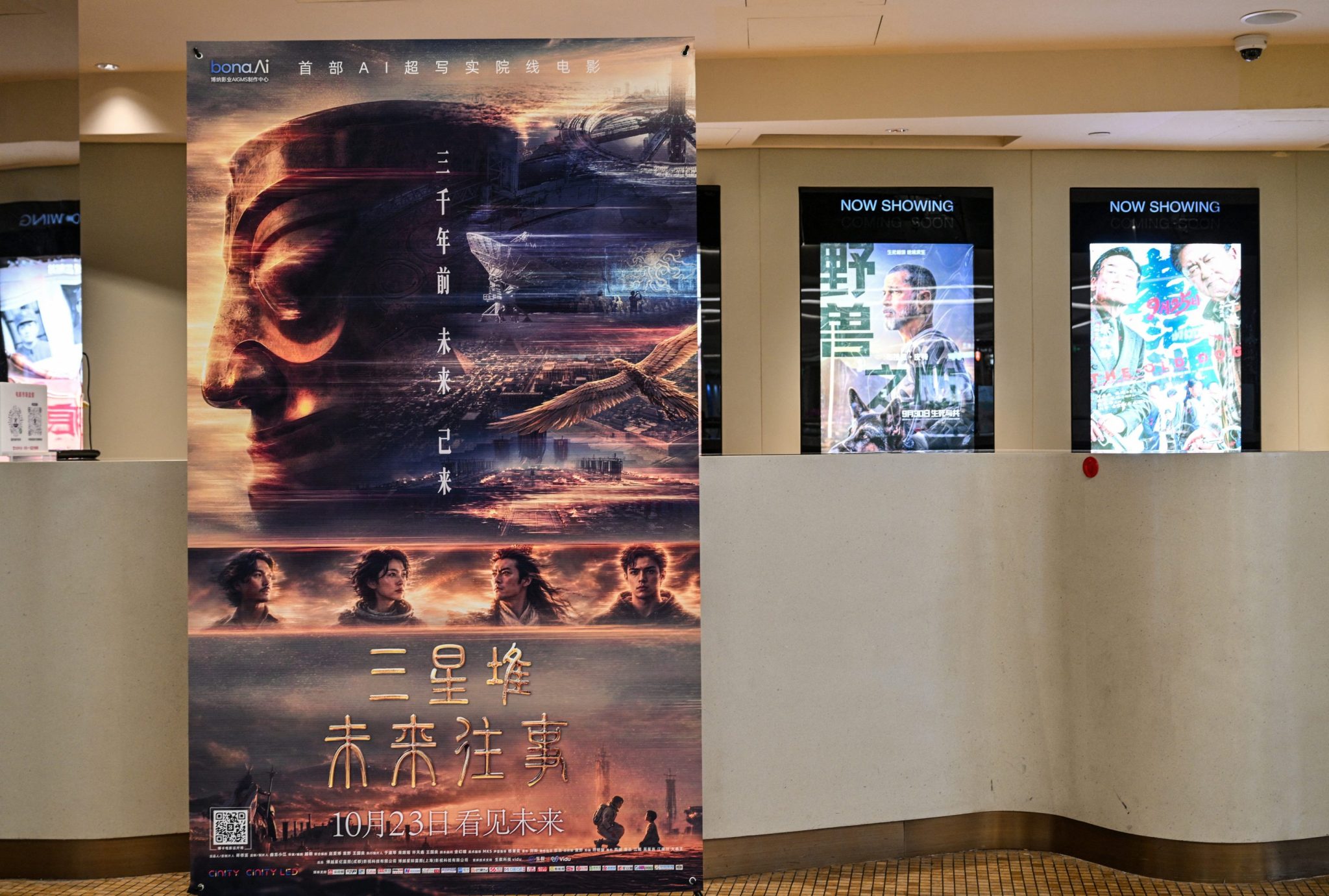
China’s first AI-generated film to get a theatrical release flops at the box office
Chinese audiences may be happy to let AI generate their microdramas—but a fully AI-generated feature film may be a step too far.
China’s first AI-generated feature to release in cinemas, the sci-fi thriller Sanxingdui: Future Past, flopped at the Chinese box office. The movie, produced by Bona Film Group, tells the story of an archaeologist who must save the future world enslaved by AI, according to Chinese state media. It only managed to generate an estimated $180,000 through Monday, according to ticketing platform Maoyan. The film had a budget of $1.5 million, according to AFP.
Jiang Defu, the company’s chief operating officer, acknowledged the film’s lukewarm reception in an interview with Chinese film outlet Yuli. Still, he argued Sanxingdui was an important experiment. “We are the first to try it, the first to get a theatrical release permit, and the first to be tested by the audience,” he said. “I think that is not easy at all.”
Fortune has reached out to Bona Film Group for comment.
Social media reactions to the film have been mixed. “China’s first AI movie totally traumatized me,” wrote one user on Xiaohongshu, a Chinese social media platform similar to Instagram. Another user was more positive: “My biggest takeaway? AI movies are super low-cost and let you tell stories with complete freedom.”
Do audiences want AI feature films?
AI has already taken over microdramas, or shorter narratives designed for social media platforms like TikTok. According to Caixin, over 95% of the more than 120,000 Chinese microdramas released in the first quarter of 2026 were AI-generated, compared with nearly zero just a year ago. The cost of making these dramas has plummeted too, down to as little as $3,000.
But Sanxingdui’s flop suggests that consumers don’t want to see AI in a full-length movie.
“The public is highly skeptical about AI use in major feature films, despite their general acceptance of short-form films,” said Stanley Rosen, a University of Southern California professor who specializes in Chinese film and society.
In the U.S., the use of AI in filmmaking is controversial. In 2023, U.S. screenwriters and actors went on strike, in part to demand protections against the use of AI. AI models like those from ByteDance and Higgsfield AI are already being used in Hollywood productions.
On Oct. 9, Netflix released its crime thriller “Animals,” whose director Ben Affleck admitted that he had used AI. “I used [AI] for lots of things in that movie,” Affleck said during a Bloomberg event, adding that he was “a little bit hesitant to point out what they are” because movies are meant to “foster the illusion of reality.”
Rosen says that he isn’t convinced that audiences would watch an AI-generated film in theatres unless it could match the quality of the likes of “Avatar” or “Nezha 2.” Such films may instead find a home on streaming platforms such as Netflix and Amazon Prime Video. “The financial loss of Sanxingdui: Future Past will compel others contemplating using AI for feature films to tread more carefully,” he says.
This story was originally featured on Fortune.com


Kimina-Prover-RL
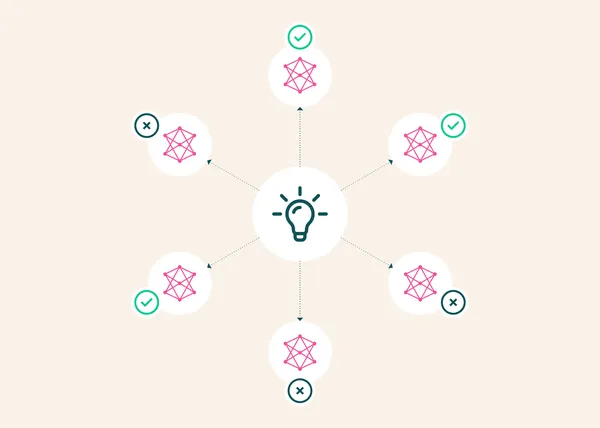
Can we trust LLMs to judge whether a research idea is novel?
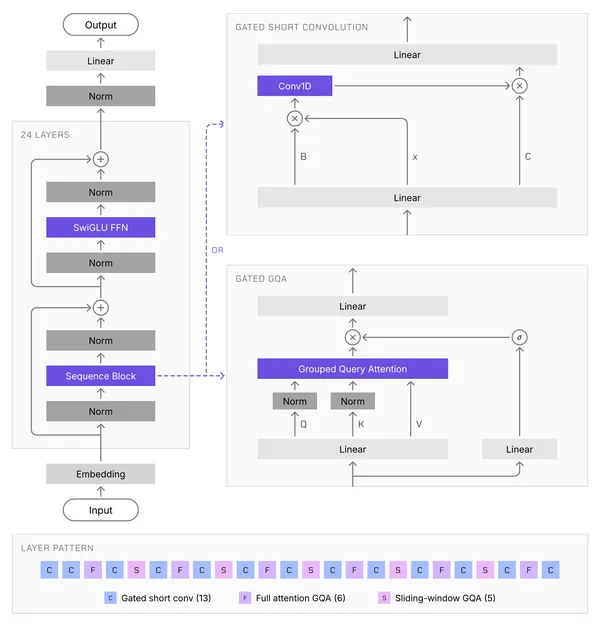
Build specialized multimodal models with LFM3
Discord is making public chats searchable on Google: How to opt out
Discord conversations on large public servers will soon reach audiences far beyond their communities, raising privacy concerns.