
特斯拉将接入中国大模型 - 世界互联网大会

How to automatically find the batch size when using Accelerate with FSDP2? [D]
Hi,
For single-GPU training, I’m using Hugging Face SFTTrainer with auto_find_batch_size=True, which automatically reduces the batch size after a CUDA OOM until it finds a batch size that works.
I would like to have similar behavior when training on multiple GPUs on a single node using accelerate launch with FSDP2.
Is there a supported way to automatically determine or reduce the batch size when using Accelerate + FSDP2?
In particular, I’m wondering how this should be handled when one of the distributed processes encounters a CUDA OOM. Can Accelerate restart the distributed training with a smaller batch size, or does this need to be implemented externally?
If this is not well supported with FSDP2, what multi-GPU training approach would you recommend if automatic batch-size detection/recovery is an important requirement?
Thanks!
[link] [comments]
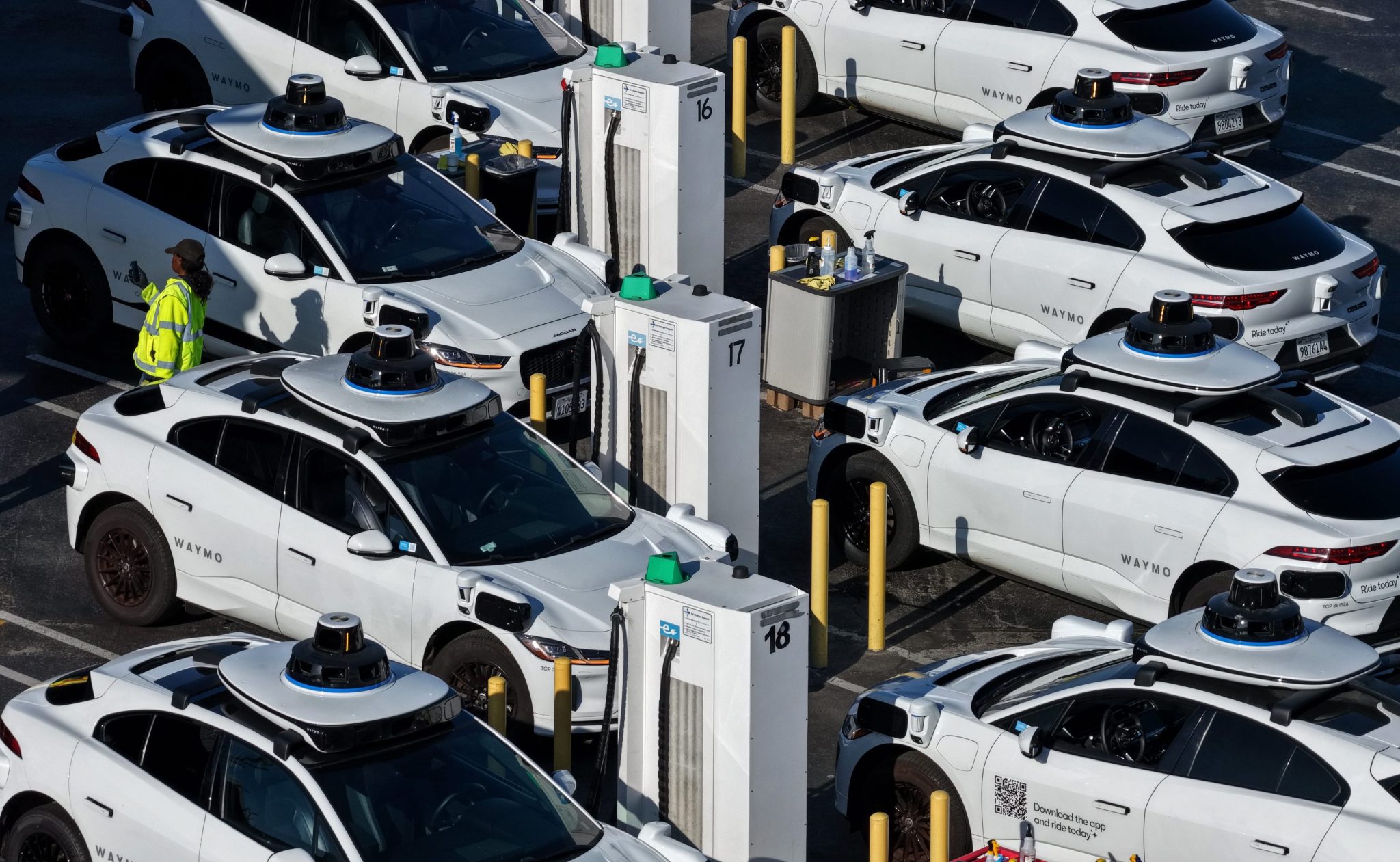
A San Francisco ‘tech prankster’ got 50 Waymos ordered onto the same street, exposing robotaxis’ cyber/airbag problem
There once was a time when most cars on the road did not have air bags as a standard under federal law. It took until 1998, in fact, for every vehicle on the round to have an airbag as required by federal law — that’s over 100 years after the invention of the first automobile and roughly 30 years after airbags were first invented as a safety measure. Something like that is playing out again, except this time with robotaxis and cyber protections.
Louay Abdelkader, director of product management at QNX, identified it as a huge problem for the sector, “of course … keep in mind that in automotive safety, it took a while for it to adopt.” Abdelkader told Fortune lawmakers should make cybersecurity a primary consideration akin to airbags, noting that every connected vehicle introduces some degree of cyber risk.
Much of the debate over robotaxis has focused elsewhere, such as whether they are indeed smart enough to avoid collisions, how insurance companies should assign liability in an accident, or how police can deal with driverless cars that commit traffic violations.
Abdelkader told Fortune lawmakers should make cybersecurity a primary consideration, noting that every connected vehicle introduces some degree of cyber risk.
Robotaxis are proliferating across the country, however, with the robotaxi company Zoox most recently receiving regulatory approval from the National Highway Traffic Safety Administration for a commercial exemption, allowing the paid service broader access without manual controls. Tesla also has moved into the robotaxi space, with the advent of Cybercab in at least seven cities.
Meanwhile, Alphabet-owned Waymo has expanded from its beginnings in Arizona to 11 major U.S. cities—even pairing with rideshare company Uber in a few cities.
Unlike conventional vehicles, robotaxis depend on dozens of interconnected electronic control units, high-speed networking, cloud connectivity, GPS, cameras, lidar, radar and AI models that continuously interpret the world around them. Every one of those components expands what cybersecurity professionals call “attack surface,” or the number of possible entry points hackers can exploit.
While Hollywood often depicts hackers remotely hijacking an entire vehicle, experts say modern attacks are more likely to target the broader ecosystem surrounding autonomous cars.
Even if attackers cannot directly steer a vehicle, disrupted communications could degrade an autonomous system’s ability to safely navigate. In San Francisco, “tech prankster” Riley Walz organized a group DDOS—a denial-of-service—attack on local Waymos.
The prank consisted of 50 individuals simultaneously ordering a Waymo on the same dead-end street, creating a pileup that made the company disable rides until the next morning.
The DDOS came despite rules from California, where Waymo operates service in San Francisco and Los Angeles, that require autonomous vehicle manufacturers to demonstrate they can safely monitor, update and maintain their fleets while complying with federal vehicle cybersecurity guidance.
Waymo and the California DMV did not respond to requests for comment.
The advent of generative AI has added to cybersecurity risks in robotaxis. Historically, hackers often needed significant time, technical expertise and resources to identify and exploit vulnerabilities. But AI has dramatically compressed that timeline, according to Abdelkader.
He said malicious actors can use AI to identify vulnerabilities, automate attacks and develop exploits far faster—and with more malicious intent—than Walz’s “prank.”
Abdelkader said cybersecurity for robotaxis is largely the responsibility of both manufacturers and lawmakers. He argued manufacturers must build security into autonomous vehicles from the beginning, not treating it as an add-on.
“When you’re developing a cybersecurity system, you start from the ground up. It’s like building a house,” he said. “If your foundation is not strong, it becomes very difficult for you to build a robust and secure house.”
Like California, some jurisdictions have already begun treating cybersecurity as part of autonomous vehicle regulation rather than an afterthought. Arizona has incorporated cybersecurity planning into broader autonomous vehicle deployment policies, while states including Michigan have established cybersecurity initiatives through partnerships with industry and research institutions.
Internationally, regulators have also moved further. The United Nations’ UN Regulation No. 155 now requires automakers in many markets to maintain certified cybersecurity management systems throughout a vehicle’s lifecycle, while ISO/SAE 21434 establishes engineering standards for cybersecurity across vehicle development.
But in New York City, where Mayor Zohran Mamdani has refused to renew the license for Waymo, cybersecurity has been missing from the debate over robotaxis. The young mayor has instead focused on labor protection, citing taxi drivers as the main point of concern with allowing robotaxis to roam Manhattan.
“If a company like Waymo finds itself in New York City, what they will also find is a City government that is committed to delivering for the workers who keep the city running,” he said at a press conference. “Those workers also include our taxi drivers who, for far too long, have been sold a dream of being able to work their way to the middle class.”
Mamdani’s office did not respond to a request for comment.
But Abdelkader argues that all lawmakers across the country should build on existing frameworks rather than waiting for a cyber incident to expose a weakness. He says policymakers often separate safety from cybersecurity too often, even though “they are tied at the hip.”
“The legislators and politici

Pony.ai unveils autonomous electric truck for logistics fleets
Pony.ai has unveiled an autonomous electric truck for logistics fleets, developed with GAC Commercial Vehicle for freight supply chains.
Unveiled at IAA Transportation 2026, this Level 4 (L4) heavy rig marks the fourth-generation (Gen-4) iteration of Pony.ai’s Robotruck platform. It builds on GAC Commercial Vehicle’s T9 battery-electric truck architecture, with mass production set to start later this year. Initial routes will target long-haul freight, dedicated logistics corridors, and port transport operations.
He Xing, VP of Pony.ai and Head of its Robotruck business, said: “The global debut of the T9 autonomous heavy-duty truck with GAC Commercial Vehicle marks another important step in accelerating the mass production and commercial deployment of Pony.ai’s Robotrucks.
“Looking ahead, we will deepen our collaboration with GAC Commercial Vehicle, continue advancing volume production and deployment of the T9 Robotrucks, and bring our jointly-developed autonomous trucking solutions to markets around the world.”
Pony.ai Robotruck sensor architecture and kit costs
An automotive-grade autonomous driving kit (ADK) equips the vehicle with nine lidars, three millimetre-wave radars, and 13 cameras, providing complete 360-degree sensing around the truck.
Hardware expenses for the system have fallen sharply. The bill-of-materials cost for the Gen-4 ADK is down 70 percent compared with the previous iteration, and transportation operating costs per ton-kilometre are projected to drop by 30 percent.
Energy efficiency is paired with aerodynamic refinements. Pony.ai’s control algorithms work alongside the T9 cab’s 0.4 drag coefficient (Cd) to reduce energy consumption by 10 percent compared with conventional haulage trucks.
Virtual Driver compute and chassis redundancy
The Gen-4 Robotruck shares its central domain controller with Pony.ai’s seventh-generation (Gen-7) robotaxis, running the company’s unified ‘Virtual Driver’ software.
Engineers paired the software stack directly with GAC Commercial Vehicle’s drive-by-wire chassis. For reliable driverless operation, full hardware backups are integrated across steering, braking, power supply, computing, sensors, and communications.
Development grew out of a strategic agreement signed on 16 April, with both partners completing vehicle validation in five months to reach production readiness.
Autonomous truck production and global logistics deployment
Pony.ai has pursued autonomous trucking development since 2018, assembling a fleet portfolio across heavy- and light-duty platforms.
The company’s commercial logistics programme involves vehicle manufacturers and transport operators spanning bulk commodity shipping, port logistics, urban delivery, and long-haul line haulage. The platform applies identical core software across passenger robotaxis and heavy transport vehicles.
Following the initial domestic production run this year, Pony.ai plans to expand its Robotruck operations into European and Middle Eastern markets over the next two years. The freight push will draw on existing footholds established through its robotaxi deployments in the UAE, Qatar, Croatia, Luxembourg, Singapore, and South Korea.
Learn more about physical AI during the Physical AI Expo held in Amsterdam, London, and North America.
See also: JD.com expands physical AI in logistics with 3 million robots
Want to learn more about AI and big data from industry leaders? Check out AI & Big Data Expo taking place in Amsterdam, California, and London. The comprehensive event is part of TechEx and is co-located with other leading technology events including the Cyber Security & Cloud Expo. Click here for more information.
AI News is powered by TechForge Media. Explore other upcoming enterprise technology events and webinars here.
The post Pony.ai unveils autonomous electric truck for logistics fleets appeared first on AI News.

ChatGPT-Using Lawyer Cited Its Fake Witnesses and Police Testimony in Court

Read more of this story at Slashdot.
Math Professor Accuses OpenAI of Copying His Work, Says AI Compute Power Makes Racing to Publish 'Pointless'
Read more of this story at Slashdot.
Cops Searched Thousands of Flock Cameras for Reasons of 'LMAO,' 'IDK,' 'Hehe,' And 'Asdfg'
Read more of this story at Slashdot.
Scientists Discover Mysterious New X-Ray Objects 'Unlike Any They Have Seen Before'
Read more of this story at Slashdot.
While Hollywood Fears an AI Future, China's Film Industry is Embracing It
Read more of this story at Slashdot.
Ubuntu's 'Rust-ification' Hits New Milestone: Coreutils Migration is Complete
Read more of this story at Slashdot.
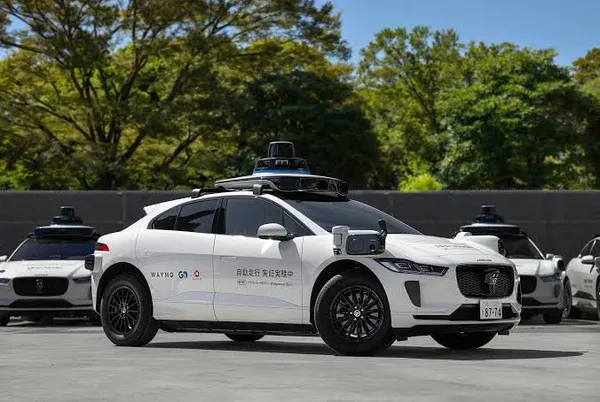
Waymo与日本合作伙伴计划于2027年在东京推出无人驾驶出租车服务
Alphabet旗下自动驾驶部门Waymo、日本打车应用运营商GO Inc.以及出租车公司日本交通(Nihon Kotsu)周二表示,他们计划于2027年在东京推出日本首个完全自动驾驶的商业出租车服务。
阅读全文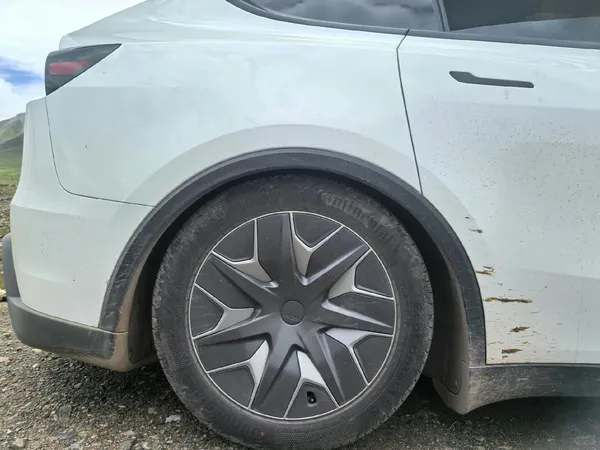
特斯拉Model YL后轮塌陷后续:官方修改车主手册多项车辆参数 整体缩减3-4毫米
特斯拉Model YL陷入后轮塌陷风波后,特斯拉已修改了Model YL车主手册中的车辆总高、离地间隙等参数,整体缩减了3-4mm不等。
阅读全文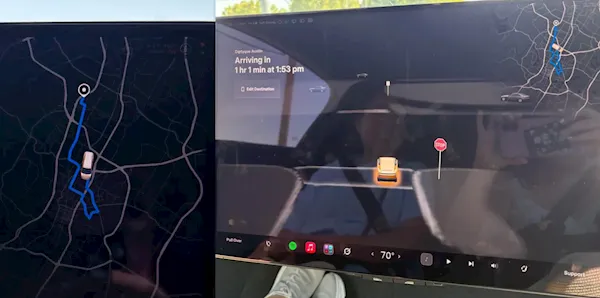
10分钟的行程 特斯拉Cybercab无人出租车带乘客绕路跑了70分钟
据electrek报道,一名奥斯汀乘客近日发帖称,他乘坐特斯拉Cybercab无人出租车经历了“10分钟路程变70分钟”的遭遇,车辆为绕开高速,带着他横穿大半个奥斯汀城区。这名乘客在Reddit论坛r/Austin版块发帖描述,他从北部的99 Ranch Market打车前往Domain商圈,这段路正常走高架高速仅需10分钟。
阅读全文
超级智能体“迪迪虾”上车,比亚迪携手阿里云推进智能座舱升级
9月14日,比亚迪“超级智能体迪迪虾暨腾势N8L纯电上市发布会”举行。围绕下一代智能座舱,比亚迪正与阿里云推进AI合作:千问大模型接入比亚迪座舱体系,参与用户多轮对话与复杂意图理解、任务编排、长期记忆与生态服务连接,让车机从“被动听懂一句话”进一步走向“主动办成一件事”。
超级智能体“迪迪虾”以AIOS为底座,通过超级智能体引擎调度车端能力和外部服务。昨日发布会上,比亚迪集团高级副总裁、汽车新技术研究院院长杨冬生表示:“迪迪虾有多模态感知系统,能听、能看、能感受,有调用各类原子能力的工具系统;有可复用的技能和记忆系统,越用越懂用户。同时,我们打造了生态智能体开放平台,让全球第三方AI智能体与开发者都能接入比亚迪智能体生态,共建车载智能体联盟。阿里的千问大模型为需求理解和任务协同提供了重要支持,飞猪、闪购等生态Agent也进一步拓展了智能座舱的服务边界。”
此次合作中,千问AI座舱解决方案首搭接入比亚迪座舱的云端智能中枢。当用户发出语音指令,系统完成语音转写后,千问大模型参与意图识别、任务判断和服务分发,再由车控、音乐、视频、搜索及生态服务等不同智能体协同执行。相比只回答问题的语音助手,这套架构更强调对复杂需求的理解、拆解和执行。
以一次真实出行为例,用户不必在多个应用间反复切换,只需用自然语言提出需求,座舱便可围绕信息搜索、路线规划与生活服务完成连续响应。目前,比亚迪座舱已使用千问开源模型、阿里云百炼等服务能力,并可调用飞猪、淘宝闪购等生态服务。随着双方合作深入,更多阿里生态服务将逐步接入,让座舱具备更丰富的“办事”能力。
千问智能体进入座舱,是双方多年技术合作向AI应用延伸的一部分。自2023年起,比亚迪在辅助驾驶和智能座舱等多领域与阿里云展开合作。如今双方的合作正从云基础设施、数据平台拓展到模型与智能体,共同支撑汽车研发、座舱体验和全球业务。
对比亚迪而言,大模型的价值不在于增加一个孤立功能,而在于把分散的车辆能力与服务连接起来,并在整车体验中形成稳定、可持续迭代的智能入口。面向下一阶段,双方将继续围绕智能座舱、全球化服务与AI研发深化合作,持续完善面向全球市场的技术与服务体系,并探索大模型在汽车研发和用户服务中的更多应用。
阿里云智能集团副总裁、AI汽车行业总经理李强表示:“智能座舱正迈向AI原生,成为重塑人车交互、驱动汽车产业价值跃迁的核心引擎。阿里云将持续发挥千问大模型和阿里生态Agent的能力,与比亚迪共同推动智能座舱向更自然、更智能、更具服务能力的方向演进。”

510万一张!携程上架太空旅行船票:已有681人购买,还得自己买保险;娃哈哈因拖欠员工公积金被查封办公楼;华为放权!问界将由赛力斯主导
1.510万一张!携程上架太空旅行船票:已有681人购买,还得自己买保险2.娃哈哈因拖欠员工公积金被查封办公楼3.鸿蒙智行:问界将由赛力斯主导,华为终端参与赋能4.特斯拉Model YL后轮塌陷后续:官方修改车主手册多项车辆参数,整体缩减3-4毫米5.苹果新系统已更新调休闹钟6.因加大AI投入,报道称字节跳动2026上半年净利润下降7.82%!长鑫科技利润率在全球存储芯片企业中排名第一
8.谷歌放开内部权限,允许工程师使用Anthropic Claude
今日头条
510万一张!携程上架太空旅行船票:已有681人购买,还得自己买保险
9月15日消息,据媒体报道,近日,携程上架了2027年维珍银河太空旅行船票,510万元一张。这也是目前国内公开渠道售价最贵的太空游产品,已售出681份。
整个行程一共6天,出发地在美国新墨西哥州的拉斯克鲁塞斯。第一步不是上天,而是先自己坐飞机到美国,签证费用、机票费用甚至保险费用都需要自己出,不包含在510万元内。前4天都在学习怎么离开地球,第5天才正式发射。
据了解,维珍银河此前一代飞船已经完成使命宣告退役,如今项目依靠新一代Delta级飞船开展运营。受技术研发进度影响,商业飞行计划几经调整,最新计划安排在2027年2月重启,后续飞船也会陆续就位投入使用。
针对此消息,不少网友调侃:“还回家吃饭吗?”“包捞包活吗?”“啧,有钱且胆大的人还是不在少数。就是一生一次这文案有点耐人寻味哈哈哈。”“681份是假数据吧,互联网老套路了。”“我恐高,就不参加了,谢谢。”(快科技、每日经济新闻)国内资讯娃哈哈因拖欠员工公积金被查封办公楼
9月15日消息,近日,黑龙江省鸡西市鸡冠区人民法院公告,查封虎林市宏胜饮料有限公司(曾用名:虎林市娃哈哈饮料有限公司)名下一处房产。查封期限为三年,自2026年8月20日至2029年8月20日。一名娃哈哈内部员工向媒体透露,此次被查封并非生产厂房,而是企业办公楼。
一位因工厂关停而离职的员工向媒体表示,本次法院查封系鸡西市住房公积金管理中心向法院申请的财产保全,查封公告被张贴在公司办公楼内。针对这一说法,媒体通过短信形式向经办此事的鸡西市住房公积金管理中心虎林管理部一位工作人员求证,其确认法院查封是由于公积金追缴所致。对于追缴的进度,这位工作人员表示,“正常推进,法院正(在)处理。”
上述离职员工表示,工厂停工后,经员工提交证明材料,当地住房公积金管理部门向公司发起了追缴程序。“工厂关停前,100多名员工共被欠缴住房公积金200余万元。”(Tech星球)
鸿蒙智行:问界将由赛力斯主导,华为终端参与赋能
9月15日下午消息,鸿蒙智行发布《鸿蒙智行关于问界合作模式的说明》,回应华为与赛力斯合作模式变化一事。
声明称,问界仍然是鸿蒙智行大家庭的成员之一。即日起,问界将在鸿蒙智行合作框架下探索新合作模式:产品定义、产品设计、品牌营销、渠道零售、服务体系由赛力斯主导,华为终端参与赋能。所有问界用户的既有权益及后续服务不受影响。另外,此次调整不涉及鸿蒙智行其他品牌,尊界、享界、智界、尚界仍然采用华为全流程主导的合作模式。
另据报道,有知情人士透露,此次华为并没有撤,问界依然在鸿蒙智行,属于五界之一。后续问界将采取“专属专营”新模式,“以后问界的销售渠道独立,除了直营店、加盟店外,原来鸿蒙智行的部分店面也划归赛力斯,只陈列和销售问界车型。”此外,问界将继续强化高端化定位。(新浪科技、蓝鲸汽车)
特斯拉Model YL后轮塌陷后续:官方修改车主手册多项车辆参数,整体缩减3-4毫米
9月15日下午消息,特斯拉Model YL陷入后轮塌陷风波后,媒体获悉,特斯拉已修改了Model YL车主手册中的车辆总高、离地间隙等参数,整体缩减了3-4mm不等。
近日,多位特斯拉车主反馈,提车不到一年的特斯拉Model YL在长途行驶等场景下出现了后轮塌陷,后轮拱与轮胎缝隙明显变小,影响驾驶稳定性和安全性。还有车主在售后更换弹簧后,不久再次出现塌陷,质疑是车辆通病。针对后轮塌陷一事,特斯拉方面目前尚未正式对外回应。
知情人士透露,特斯拉官方近日修改了车主手册中车辆的部分参数。对比特斯拉Model YL车主手册前后版本发现,在今年4月的版本中,车辆的总高为1668mm,载重离地间隙为122mm,未载重离地间隙为169mm;而在最新版本中,车辆总高缩减为1664mm,载重离地间隙缩减为118mm,未载重离地间隙缩减为166mm。有车主担忧,此次车辆参数的修改,可能会对售后界定后轮塌陷的标准以及维修带来一定影响。
针对修改车辆参数一事,截至发稿前,特斯拉官方暂无回应。特斯拉客服则表示,目前没有接到相关通知,也没有相关信息可以分享。(新浪科技)
苹果新系统已更新调休闹钟
9 月 15 日,iOS 27 正式版推送。iOS 27 此次还为时钟 App 带来了一条 “ 史诗级 ” 更新——新增工作日(调休)闹钟,支持为全年节假日和调休工作日设定闹钟。
iOS 27 的时钟 App 新增了对中国大陆法定节假日及调休日历的直接识别能力,能够无缝读取并同步中国大陆的假期与补班安排。
在设置闹钟的重复周期时,系统新增了 “ 工作日(含调休)” 的选项,支持常规工作日、调休补班日及自定义周期的混合设置。用户只需将闹钟设置为该模式,系统便会自动接管闹钟状态:在周末调休上班日,闹钟会准时响起;而在法定节假日或正常休息日,闹钟则自动保持静音。
另据报道,苹果客服表示,不建议iPhone 11、12等老机型更新至iOS 27,iPhone 13及后续机型可以正常更新。“iOS 27刚上线,各方面可能没那么稳定,建议用户观察一段时间后再决定是否更新。”(差评)
DeepSeek算子负责人:《我不得不把才华埋葬在昨天》
9月15日消息,近日,DeepSeek v4.1发布,其算子负责人刘胜与发了一篇长文,标题叫《我不得不把才华埋葬在昨天》。这篇长文在技术圈层悄然扩散,随后在海外刷屏。
文章开篇他写道:v4.1的主Attention算子都是他写的,模型的优秀是对他算子的肯定。但是,他说自己很清楚,再过半年或者一年,AI写的算子大概率就会和他写得同样优秀,甚至超越他。他还提到,“人类在毁灭自己这件事情上,自古以来都表现得毫不犹豫。”“我当然希望自己不要被革命,但如果非被革命不可的话,我希望革我自己命的人是我自己。”
对于他的未来,他还写道:“我不至于会‘失业’,但必须要‘转业’。我的饭碗尚且能保住,但这可能会导致我再也没机会从事那份我曾热爱过的工作。要从算子工程师,变成Agent 的机甲驾驶员。”“我不得不把才华埋葬在昨天,去做一位机甲驾驶员。我的手中多了些齿轮,但心中少了些节拍。”(鞭牛士)
因加大AI投入,报道称字节跳动2026上半年净利润下降
9月15日晚间,据外媒报道,由于加大了在人工智能领域的投资,字节跳动2026年上半年净利润同比出现下降。同时,受TikTok等海外业务推动,字节跳动上半年营收同比增长30%,海外收入占比再创新高。字节跳动未对以上数据置评。
报道称,尽管抖音仍贡献了字节跳动的大部分收入,但主要来自TikTok的海外收入已占总营收的30%以上。TikTok为主的海外业务在字节跳动整体营收中的占比正稳步提升,2024年为25%,2025年海外收入占比为30%。
利润下降也反映出 AI 投入对字节跳动盈利能力的压力。字节跳动自主研发大语言模型与视频模型,同时运营着豆包,还在扩张 AI 云业务,向企业客户提供模型服务,旗下 Seedance 视频生成模型则跻身全球 AI 视频市场领先行列。字节跳动近期从银行获得约300亿美元贷款,这是该公司有史以来规模最大的一笔贷款,可为其不断飙升的AI投资提供资金支持。
82%!长鑫科技利润率在全球存储芯片企业中排名第一
9月15日消息,日媒近日汇总对比了韩国三星电子、SK海力士、美国美光科技(3-5月)、铠侠、闪迪以及长鑫科技(4-6月)的财报。结果显示,长鑫科技2026年4至6月营业利润换算约1.9万亿日元,利润率高达82%,超越SK海力士(76%)和三星半导体业务(70%),在全球存储芯片企业中排名第一。
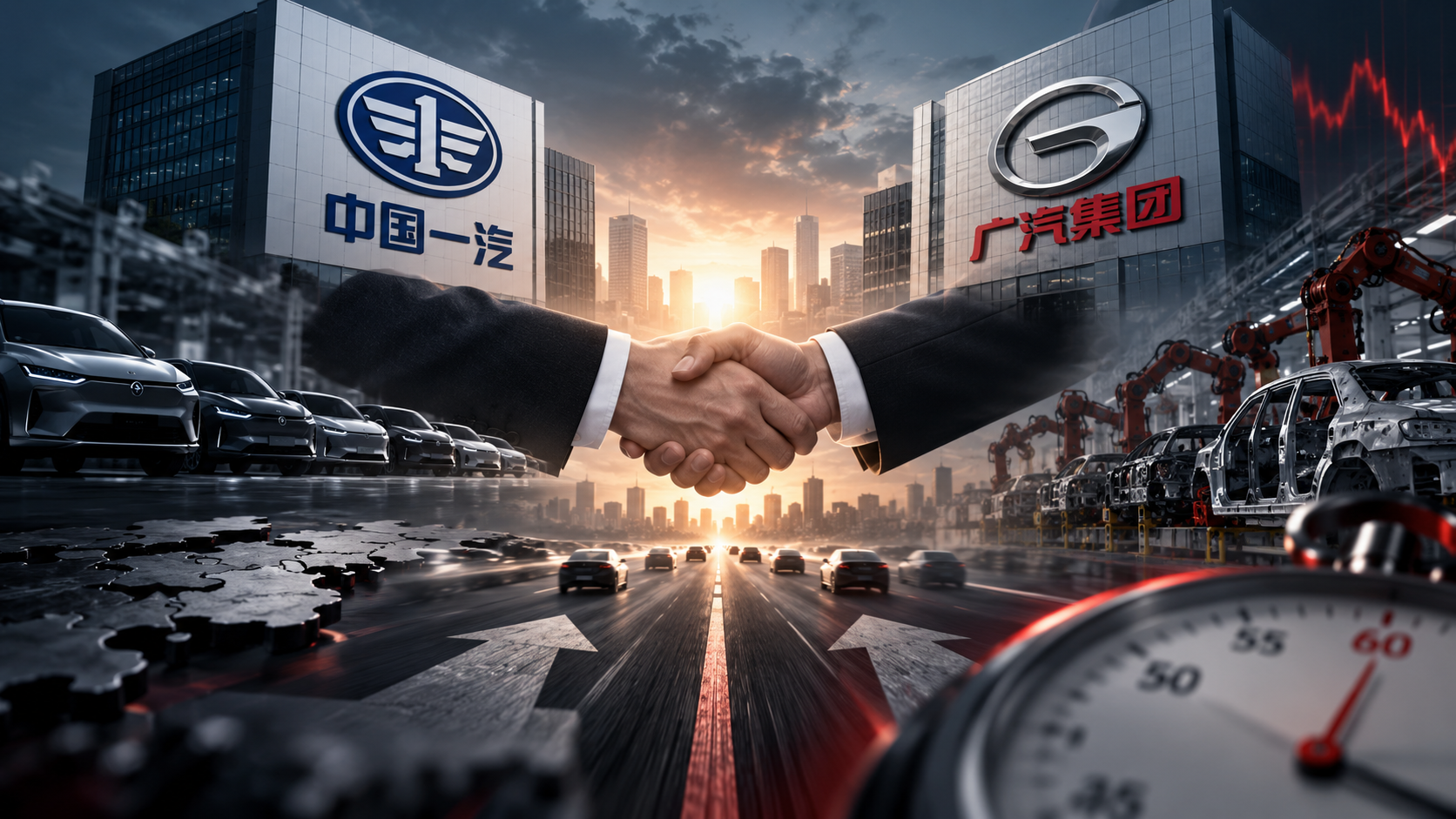
一汽入股广汽:汽车国企“大重组”真的开始了吗?
中国汽车行业酝酿许久的“大重组”,出现了一个新的样本。
9月14日晚,广汽集团公告称,公司与中国第一汽车股份有限公司签署意向协议,计划以发行股份方式,购买一汽股份持有的某整车合资公司部分股权,并募集配套资金。
按照目前披露的交易方案,交易完成后,一汽股份预计将成为广汽集团第二大、具有战略影响力的股东,广汽集团实际控制人仍为广州市国资委。由于涉及海外上市公司,标的合资企业名称暂未公布,交易目前也仍停留在意向协议阶段。
这意味着,一汽与广汽并没有走向通常意义上的集团合并。更准确地说,两家汽车国企选择了一种相对复杂、同时也更现实的方式建立资本联系:广汽接手一汽旗下部分合资资产,一汽则通过股份支付进入广汽股东名单。
如果只看规模,这笔交易很容易被联想成一个“500万辆汽车集团”的故事。2025年,一汽整车销量超过330万辆,广汽同样拥有百万辆级的销量体量。两家公司放在一起,确实足够庞大。
但在当前中国汽车行业,规模已经很难直接等同于竞争力。更值得讨论的是,为什么是现在这个时间节点,以及为什么先从一块合资资产开始?
一、政策开始转向“提高效率”
一汽与广汽此次交易发生的时间点很微妙。
就在公告发布三天前,9月11日,工信部举行智能网联新能源汽车产业高质量发展新闻发布会。国家发展改革委产业发展司副司长邵稷在会上明确表示,将“积极支持大型企业集团开展改革”,以市场化、法治化方式推进企业间兼并重组,支持骨干企业整合研发、生产资源,避免在产品设计、技术研发等方面开展同质化竞争。
同一天发布的《智能网联新能源汽车产业发展“十五五”规划》,也把政策重点进一步落到了产能和产业组织层面:加强产能预警调控,加大汽车企业依法兼并重组和跨区域整合力度,推动落后低效产能有序退出,提高行业整体产能利用水平。
几个关键词值得注意:兼并重组、资源整合、减少同质化竞争、低效产能退出。
它们反映的其实是中国汽车产业所处阶段发生了变化。
新能源汽车快速发展的前半程,行业需要解决的是“有没有”的问题,需要更多投资、更多产能、更多品牌进入市场。地方政府招商、车企扩建工厂、新能源品牌密集成立,都发生在这一背景下。
到了今天,另一组问题变得越来越突出:越来越多企业拥有相似的技术路线、产品定位和制造体系,大量资金重复投入研发、平台和产能,最后又集中到几个高度重叠的价格市场竞争。
市场增长已经很难消化所有参与者的扩张计划。因此,行业调整开始进入下一个环节,过去形成的资产应该如何重新配置,这一点对于国有汽车企业尤其重要。
民营汽车企业经营困难,可以通过融资、出售、破产甚至直接退出完成市场出清。但大型国有汽车集团背后往往拥有庞大的工厂、研发机构、合资企业、供应商和地方产业链,还牵涉大量就业和国有资产,调整路径通常更加复杂。
兼并重组因此成为一种现实选择。
一汽与广汽的交易值得关注,也正在于它出现在政策开始明确强调“提质增效”和资产整合之后。
二、为什么是一汽和广汽?
从表面看,一汽与广汽的组合并不天然。
一家位于长春,是中央直接管理的大型汽车集团;另一家扎根广州,由地方国资控制。两家公司拥有完全不同的发展历史、组织结构和区域产业体系。
但把双方现在面临的问题放在一起,逻辑就会清晰很多。一汽的优势依旧来自庞大的产业规模以及成熟的合资体系。2025年,一汽销量达到330.2万辆,其中自主品牌94万辆,合资品牌达到236.2万辆。一汽-大众和一汽丰田仍然构成集团销量的重要基本盘。
这种结构在燃油车时代带来稳定的规模和利润,但随着中国市场新能源化,一汽同样需要重新回答自主品牌、新能源业务以及合资企业如何转型的问题。
广汽面对的压力更加直接。2026年上半年,广汽集团销量同比增长2.35%至77.31万辆,自主品牌销量增长35.69%,营收也保持增长,但同期归母净亏损扩大至44.67亿元,销量恢复了,但是没有立即转化为盈利改善。
这是一种很典型的汽车行业转型状态:老业务的利润贡献下降,新业务需要继续投入,销量增长与盈利改善之间开始出现时间差。
对于一汽来说,如何调整庞大的传统和合资资产,是提高资本效率的一部分;对于广汽来说,如何补充优质资产、改善上市公司资产结构,同时引入一家具有产业资源的战略股东,同样有现实需求。央企与地方国企之间,也因此第一次形成了一个颇具代表性的组合。
更重要的是,这次交易没有改变广汽集团实际控制人。
这意味着双方暂时没有试图解决集团控制权、组织架构、品牌归属这些最复杂的问题,而是通过资产交易和持股关系,先建立一个新的合作接口。
三、为什么偏偏从合资资产切进去?
此次交易最值得琢磨的地方,是标的资产。
广汽公告只表示,拟收购一汽股份持有的“某整车合资公司部分股权”。目前官方尚未公布具体企业名称。不过,经济日报援引消息将标的指向一汽丰田;路透社也报道称,市场正在关注一汽丰田与广汽丰田进一步整合的可能性。相关方案尚未得到交易各方最终确认,因此现阶段仍不能把它视为确定方案。
但无论标的最终是谁,“合资资产”本身已经提供了一个观察中国汽车行业变化的窗口。
过去二三十年,外资品牌进入中国市场时普遍采取“两家甚至多家合资伙伴”的模式。中国市场高速增长时,两套工厂、两套销售公司和两套经销商网络能够帮助外资品牌迅速扩大市场覆盖。
今天的市场条件已经改变。
合资品牌整体进入转型期,销量和盈利能力承压,同一个跨国品牌继续维持多套研发、生产、营销体系,其效率需要重新评估。原来能够帮助企业扩大规模的资产,在存量竞争阶段可能变成成本。
这也是为什么合资资产很可能成为汽车集团重组最先松动的部分。
相比直接整合红旗、奔腾、传祺、埃安等自主品牌,调整合资股权的阻力相对可控;同时,合资公司往往拥有成熟工厂、供应链、销售网络和稳定现金流,一旦进行重新配置,对上市公司资产结构也能产生更加直接的影响。
从这里切入,也从另外一个层面说明,汽车国企未来的重组,很可能不会以“一夜之间两家公司合并”的方式发生。更现实的路径可能是先处理具体资产,比如合资公司、制造基地、供应链业务,随后才是资本层面的交叉持股。
如果一汽和广汽能够在一项资产上真正形成协同,双方后续合作才有继续扩大的基础。
四、“大重组”真正要解决的,是重复建设
汽车产业已经有过太多“大集团”的故事,但行政意义上的规模,已经不能代表更高的经营效率了。
如果两个集团仍然保留各自完整的研发组织,继续开发相似的纯电平台、混动系统、智能驾驶方案,旗下多个品牌继续在相同价格带推出相似车型,那么股权关系发生变化之后,同质化竞争依然存在。
发改委此次政策表态里,其实已经点出了兼并重组真正需要解决的问题——整合研发、生产资源,减少产品和技术上的重复投入。
这也是判断未来国企汽车重组是否有效的一条更重要标准。研发项目能否共享,闲置产能如何重新调配,让采购体系提高议价能力,明确品牌之间的清晰分工,这些最终都会落到成本和利润上。
做不到这些,所谓“500万辆集团”只是一道加法题。
而如果这些资源真的开始重新组合,一汽与广汽的交易就可能具有更大的参考意义。
中国汽车行业过去十年的竞争,很大程度上建立在增量之上:新品牌不断出现,新工厂不断投产,新技术不断获得资本投入。进入存量竞争以后,另外一种能力正在变得重要,就是企业能否关掉重复项目,处理低效资产,把有限的资金集中到真正有竞争力的业务上。

这可能也是下一轮汽车行业淘汰赛最难的一部分。
对于民营企业,这场淘汰已经通过融资困难、销量下降和品牌退出不断发生。对于国有汽车集团,变化可能更加缓慢,也更少以“退出”这种极端方式出现。
它可能表现为合资股权调整、品牌整合、交叉持股,最终才走到集团层面的重构。所以,现在判断“一汽和广汽会不会最终合并”仍然过早。
截至目前,双方签署的仍然只是一份资产交易意向协议,后续方案、交易价格和具体标的都尚未完全披露。
但它至少提供了一个新的信号,如果这一轮汽车产业出清最终深入到国有汽车集团内部,那么一汽与广汽或许不会是终点。(本文首发于钛媒体APP,文|花卷不塞车,作者|李玉鹏,编辑丨杨林)
更多精彩内容,关注钛媒体微信号(ID:taimeiti),或者下载钛媒体App
71进15,车企要留在牌桌上,为什么绕不开“造好大车”?
(本文作者为 新能源行业观察,钛媒体经授权发布)
文 | 新能源观(ID:xinnengyuanqianzhan)
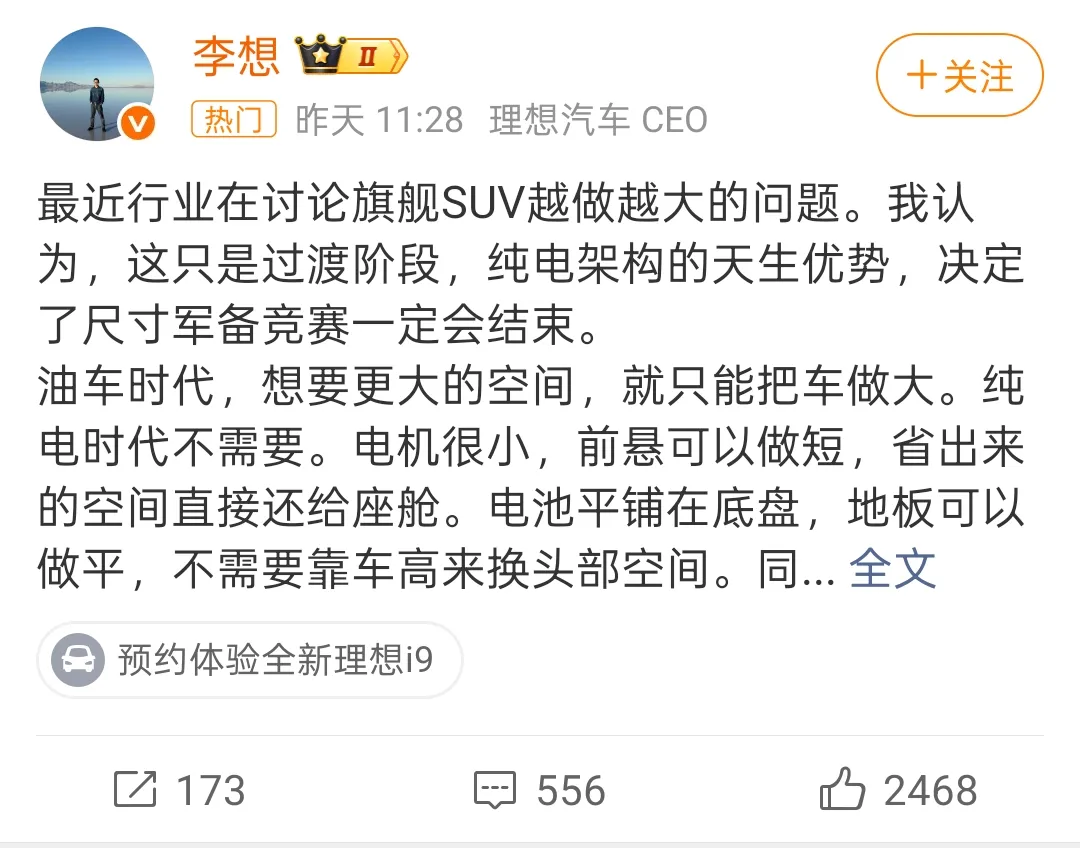
9月14日,理想汽车CEO李想在微博上的一篇小作文引发热议。
图/李想微博小作文,来源/互联网 新能源观截图
在李想看来,旗舰SUV越做越大,只是过渡阶段,尺寸军备竞赛一定会结束。他说出这番话的两天后,也就是9月16日,理想的新形态家庭旗舰SUV全新理想i9将要发布,在尺寸上,理想i9比家庭六座纯电SUV的理想i8还要大一圈。
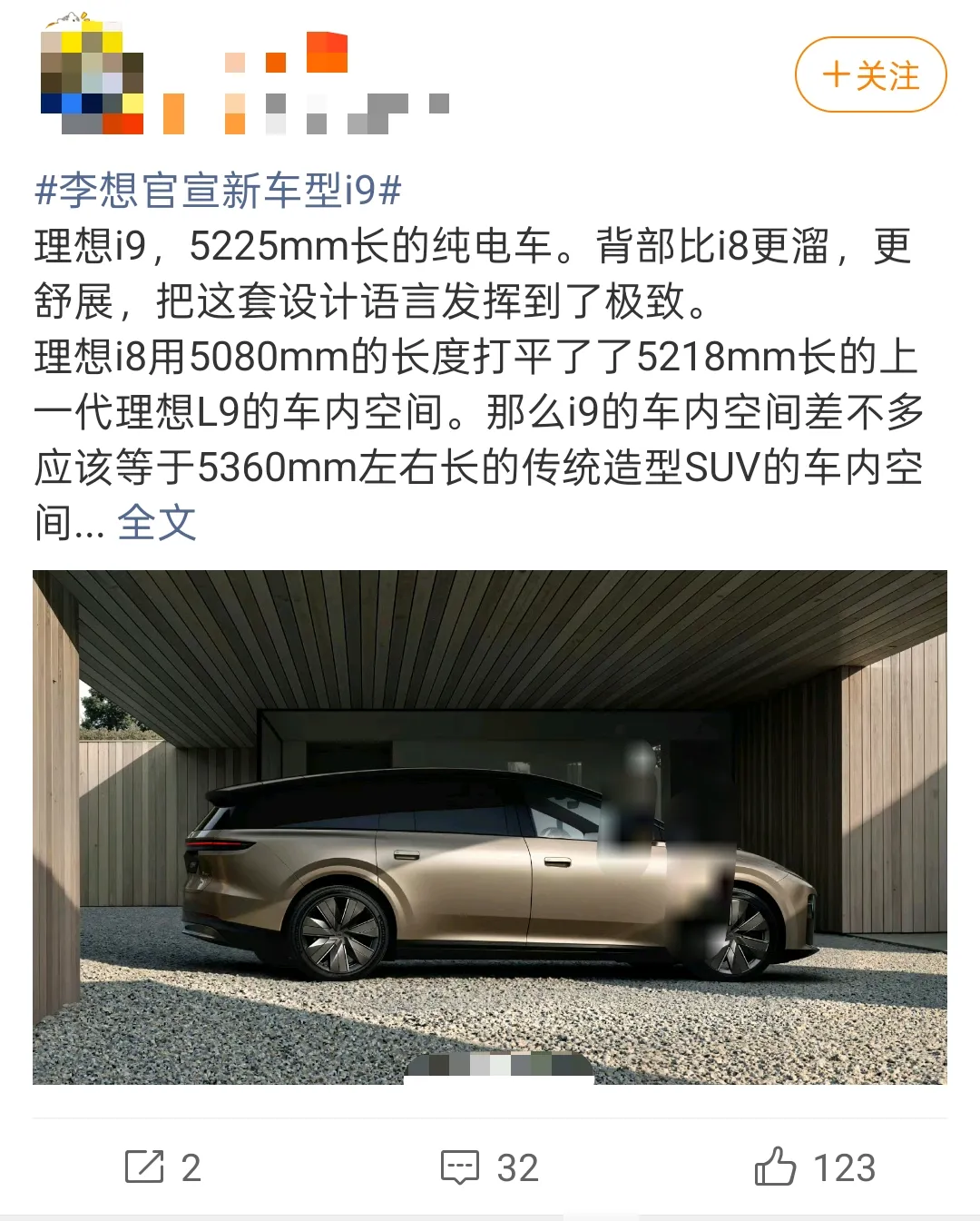
图/理想i9,来源/互联网 新能源观截图
一边说“在尺寸上做文章没那么大意义”,一边把自己最大的SUV推向市场,这不是矛盾,而是当下车企生存状态的真实切面。
时间回到2025年第四季度,新造车企业的“蔚小理”同一季度集体扭亏为盈,但半年后,格局就变了。
2026年上半年,理想净亏损39.81亿元,由盈转亏;小鹏净亏损31.2亿元,同比扩大约174%;而蔚来在Non-GAAP(非美国通用会计准则)口径下录得经营利润为正,这就意味着,蔚来已经连续三个季度经营性盈利。
除了节流,蔚来靠的就是大型SUV全新ES8持续走量。9月14日,蔚来相关负责人发文透露,本周将交付第150000辆全新ES8。
当前我国共有约71家主要整车企业,业内普遍判断未来三五年格局就会基本定型,最终能持续经营的车企只剩15家左右。如何留在牌桌上?比销量更重要的一定是持续造血能力。而蔚来的盈利已经证明,“大车”是高端品牌活下去的必经之路。
1. 嘴上反内卷,身体进赛道
我们可以简单把新能源 “大车” 划定一个参考边界:车长≥5000mm,车宽接近或超过 2000mm,轴距≥3000mm,也就是市场常说的“5-2-3”规格,这也是当下国产旗舰SUV的入场门槛。
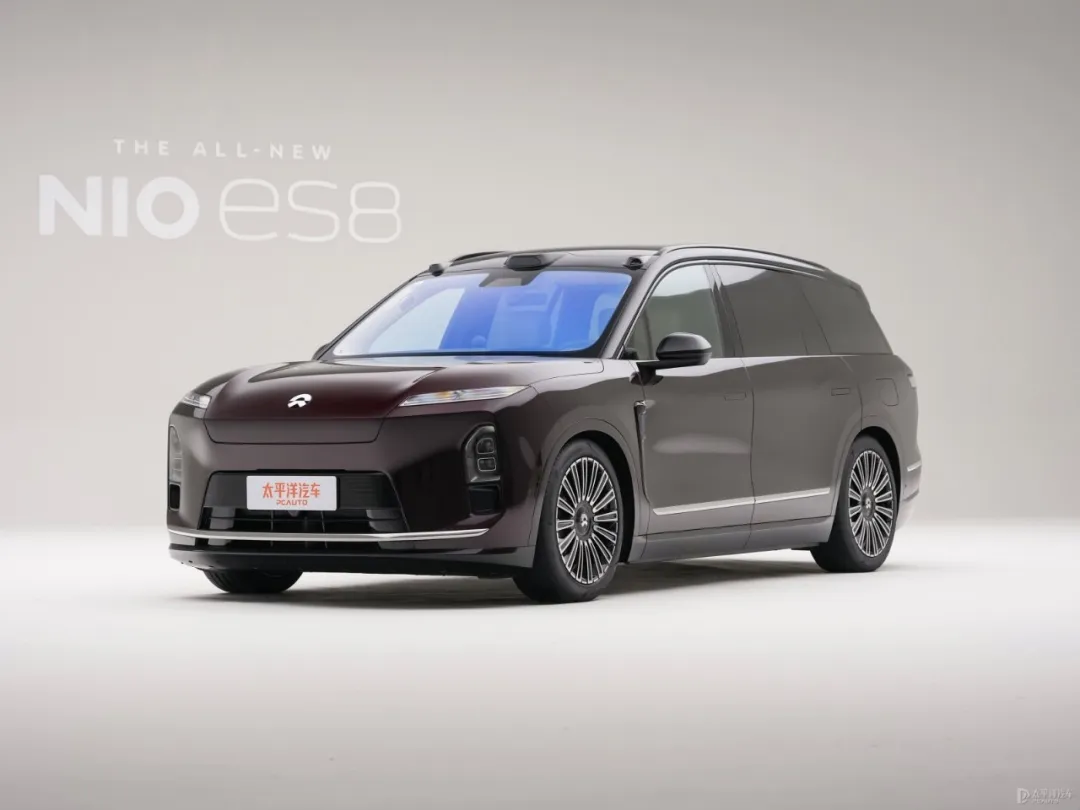
图/蔚来es8,来源/互联网 新能源观截图
比如全新蔚来ES8,长宽高5280×2010×1800mm,轴距3130mm,标准的大型SUV规格。它提供六座、七座以及大五座版本,整车售价38.28-44.68万元,租电方案27.48万元起。
理想i8车身长宽高为5085×1960×1740mm,轴距 3050mm,新车指导价30.98万元起。
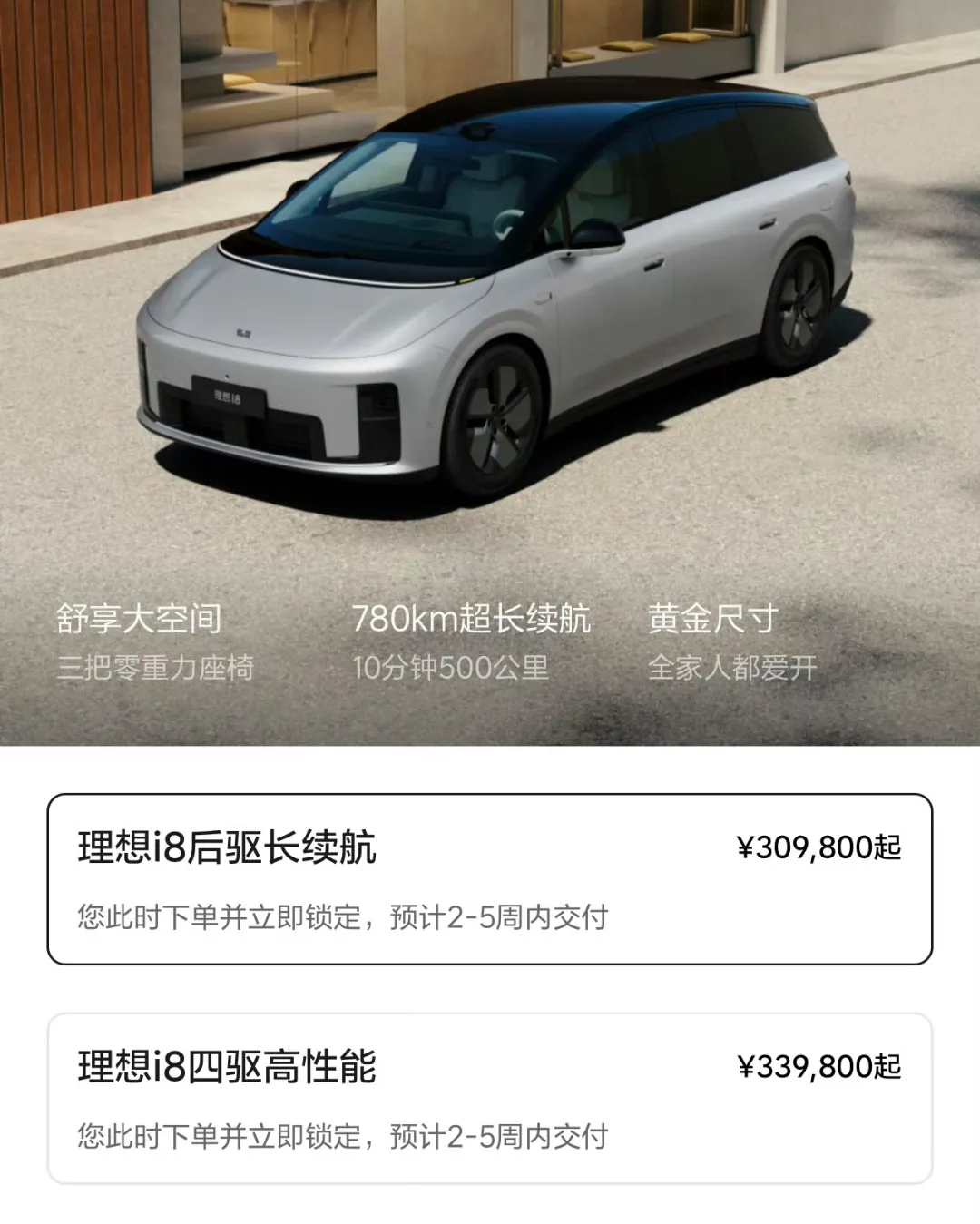
图/理想i8车身及新车指导价30.98万元起,来源/互联网 新能源观截图
而即将发布的理想i9进一步升级至5225×1970×1752mm,轴距达到3168mm,也是妥妥的“大车”。
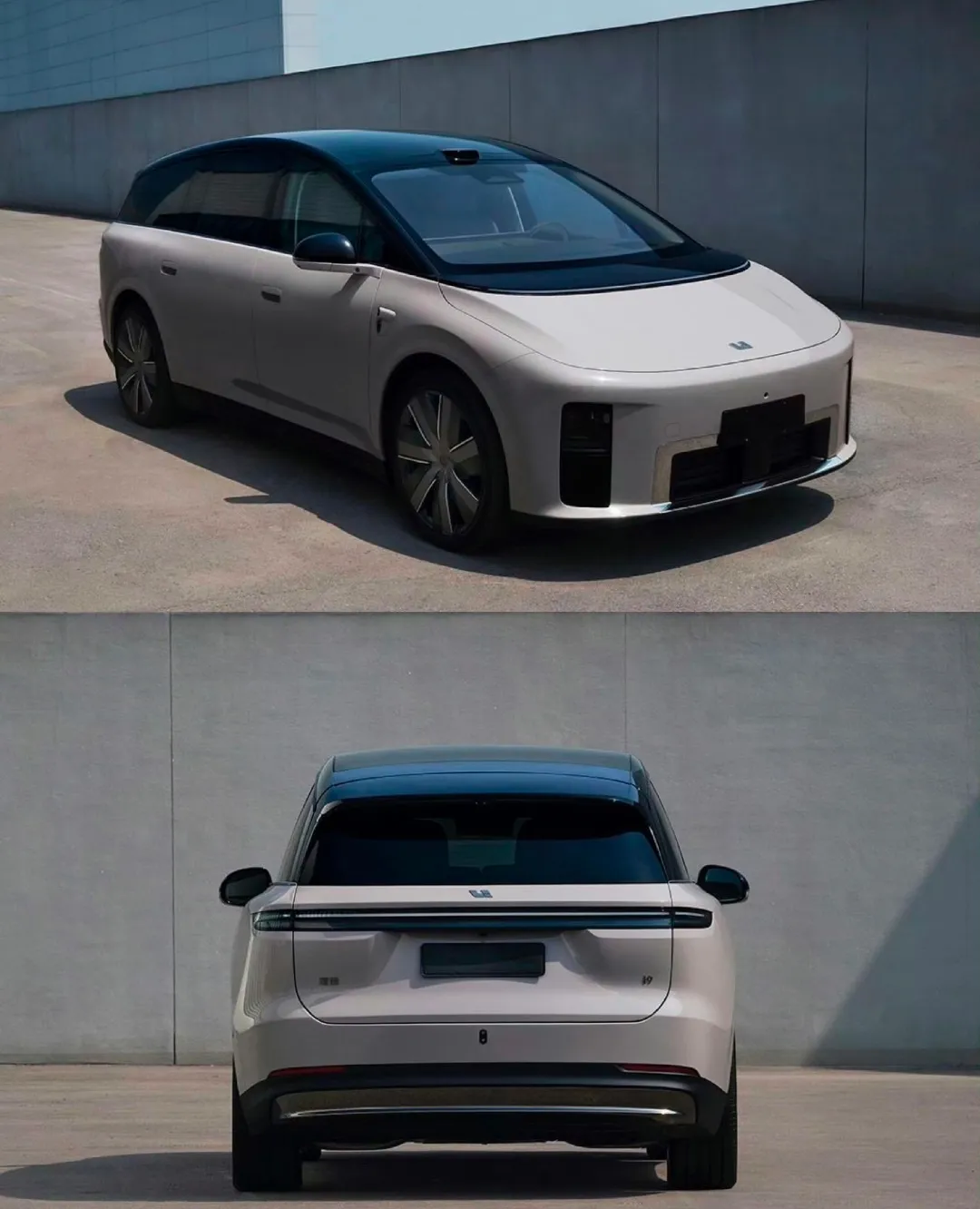
图/理想i9,来源/互联网 新能源观截图
另外,问界M9、极氪9X、零跑D19,小米澎程N90等市场热门车型,也全部落在这套尺寸区间内,大型SUV赛道已经成为国产高端兵家必争之地。
事实上,“大车”也已经成为车企留在高端牌桌上的核心筹码。
最典型的样本还是蔚来。全新ES8自2025年9月上市,335天完成14万辆交付,2026年9月即将达成15万辆里程碑。财报数据亦清晰显示,ES8与ES9两款大型SUV整车毛利率突破20%,单车盈利显著高于品牌中小车型,品牌成交均价站上40万元以上区间。
简单来说,一辆高毛利“大车”的利润,往往可以抵得上两辆中端车型。
不止蔚来,纵观2025-2026年国内车市,问界M9、理想L9、极氪9X等头部大尺寸SUV,均是各自品牌的利润担当。
除此之外,“大车”的优势还体现在支撑品牌向上、承担品牌技术展示窗口和抓住换购、增购浪潮等方面。
这里就不得不说一下李想“小作文”中没有提到,或是刻意回避的点,纯电架构确实可以做到“小车壳大座舱”,可现实消费市场,用户的感知很难完全剥离车身体量。气场、视觉观感、商务体面,这些主观感受依然绑定整车外部尺寸。
即便技术上可以把座舱做宽敞,想要站稳40-60万元级旗舰定位,绝大多数品牌依然很难完全放弃大车身。
于是就出现行业特有景象:高管公开反思尺寸军备竞赛,各家新品大车却接踵而至。
02“大车”的体验红利与现实困境
乘联分会数据显示,2026年,大型SUV已成为中国车市增长最快的细分市场之一。
上半年,国内大型SUV累计销量约36.9万辆,前5名车型合计销售约20.6万辆,占据55.9%的市场份额;前10名累计销量达27.4万辆,市占率高达74.3%。
而根据最新数据,8月大型SUV市场延续了新能源车型的主导地位,其中蔚来全新ES8以零售10991辆的成绩蝉联该细分市场销量第一。
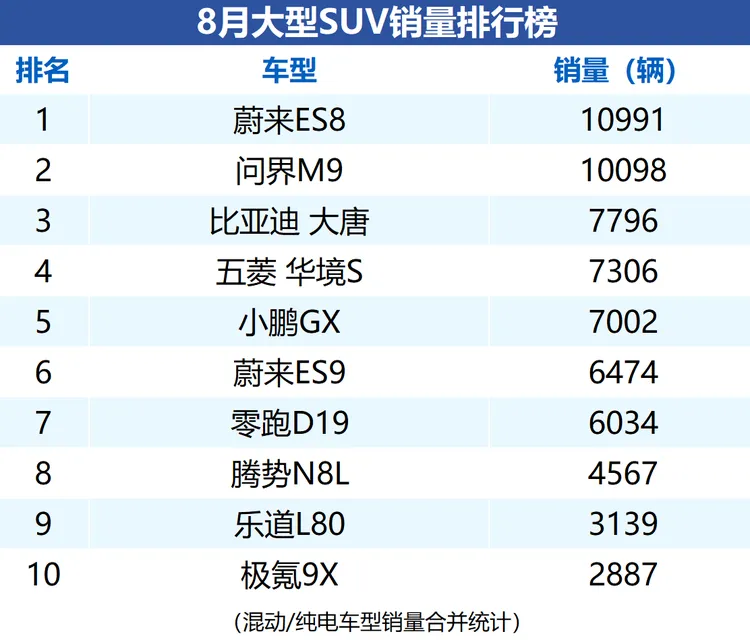
图/蔚来全新ES8以零售价10991辆的成绩蝉联该细分市场销量第一,来源/互联网 新能源观截图
我们也和多位ES8的车主做了沟通,真实可感知的体验正是这类“大车”的魅力。
以全新蔚来ES8大五座版为例,它的二排腿部最大空间1376毫米,主副驾配备20向调节零重力座椅,400毫米宽腿托,长途出行老人孩子都能舒展乘坐。冰箱、大屏、多区空调,这些配置也只有在大车身载体上才能充分安放。
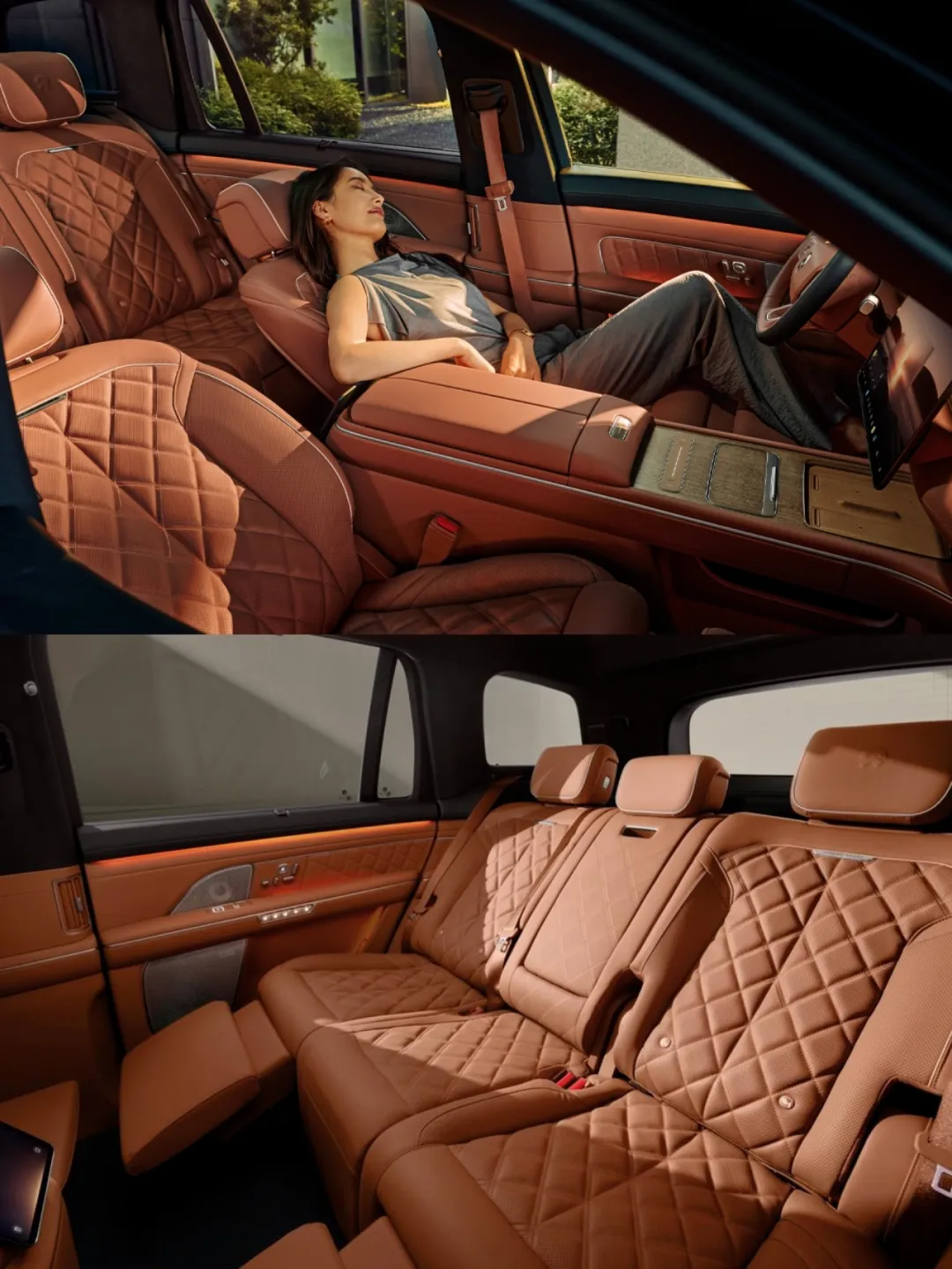
图/蔚来ES8大五座空间,来源/互联网 新能源观截图
商务场景同样是大车主场,5.2米级车身配二排独立座椅,兼顾家庭出行与接待需求。
但红利背后,“大车”的痛点同样尖锐。这也是李想微博中着重提到的停车焦虑。
我们知道,大量小区和商场停车位沿用2015版《车库建筑设计规范》,小型车位净宽2.4米,很多开发商进一步压缩到2.2至2.3米。试问一下,一辆宽2米的“大车”停入标准车位,扣除后视镜后两侧余量已极其有限,乘客开门上下车能做到从从容容吗?
城市驾驶同样如此,5.2米车身在狭窄老城区更容易剐蹭,新手对车距和边角的把控难度显著提升。
所以,对于“大车”,用户评价两极分化。有宽敞私家车位、主要跑高速的家庭交口称赞;住老小区、车位紧张的用户则饱受停车掉头困扰。
但可以明确的是,市场不会因为痛点就消灭大车,矛盾已经倒逼行业去破局。即车企端用智能化、底盘硬件去弥补大车的使用短板;社会端推动基础设施标准迭代。
硬件层面,后轮转向正在成为40万级大车的标配,它可以大幅缩减大车转弯半径,5米2级别SUV转弯半径压缩至5.8米甚至更低,窄路掉头、地下车库转弯灵活性明显提升。

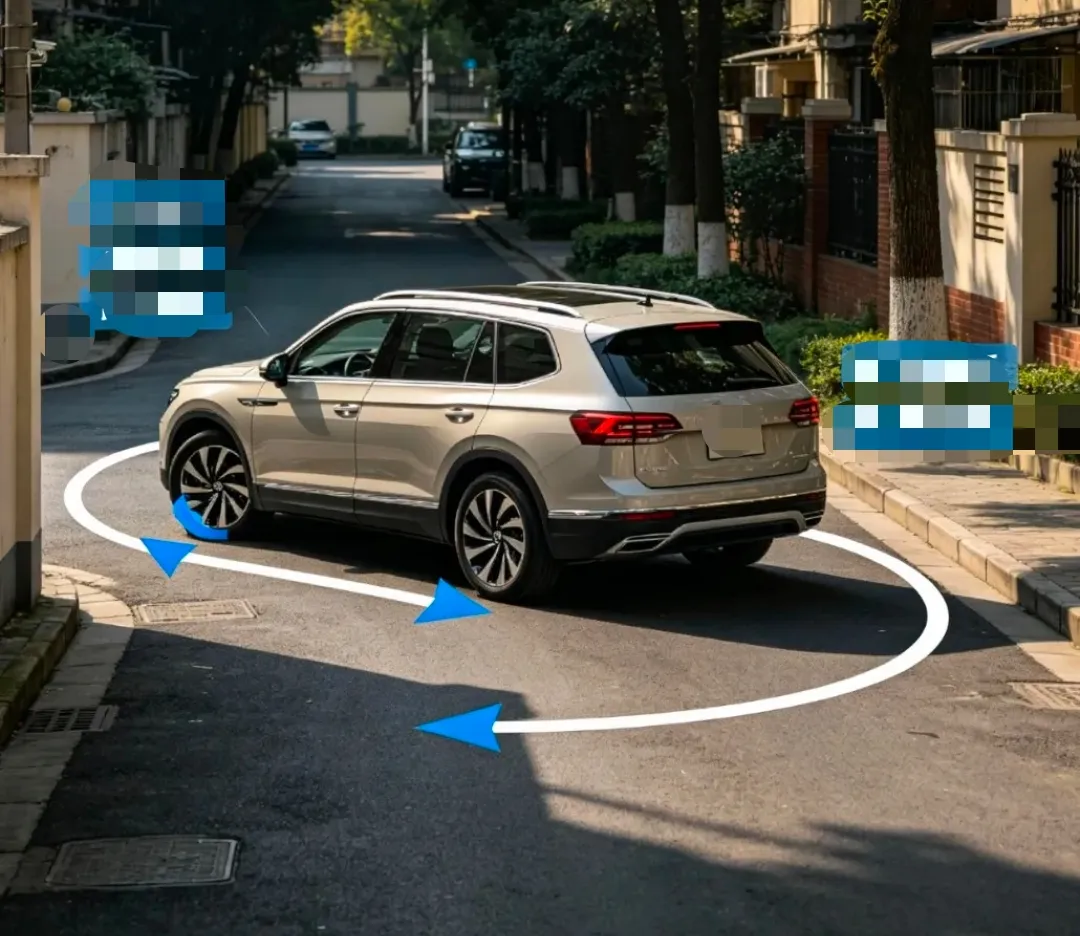
图/车转弯,来源/互联网 新能源观截图
感知硬件也在持续升级,360°全景影像、透明底盘,多颗超声波雷达、激光雷达,把车身四周盲区可视化,辅助驾驶员判断边角距离。
而在软件层面,高阶自动泊车、记忆泊车、窄车位一键脱困功能普及,车辆可以自主完成泊入泊出,缓解人工停车压力,把停车这件事交给机器完成。
在汽车产品技术优化不能触及的另一面,目前住建部已经启动车位相关规范修订,国内部分城市已经试点新建加宽车位,不过存量车库改造周期漫长,无法一蹴而就。大车的使用困境,不单单是车企的产品课题,同样是城市基础设施升级的社会命题,需要车企、政策制定者、地产建设方多方协同。
3. 写在最后
李想吐槽尺寸内卷、却持续推出旗舰大车的行业反差,本质是新能源赛道的迭代过渡期特征。
或许尺寸军备竞赛终会落幕,但高端“大车”的赛道价值永不退场。车企的核心竞争力,从来不在于把车身越做越大,而在于把空间效率、使用体验、智能短板越做越优。
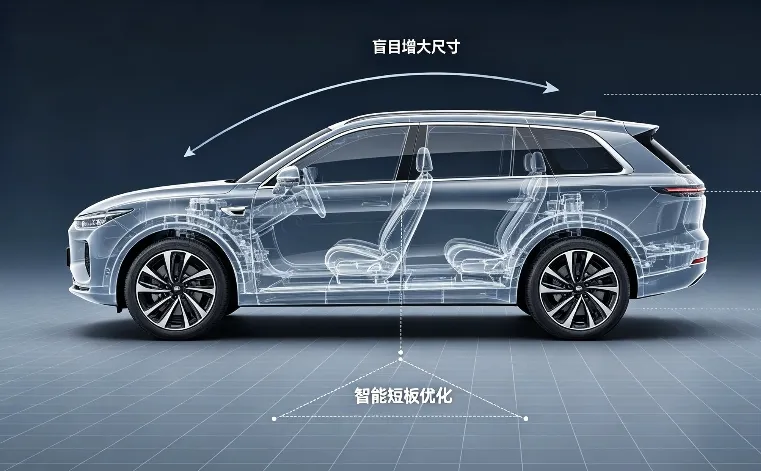
图/盲目增大尺寸,来源/AI生成
随着纯电架构技术持续成熟,叠加智能底盘、自动驾驶技术的普及,以及城市停车基础设施的逐步完善,大车“体验拉满、场景受限”的矛盾将持续缓解。而行业也终将告别盲目堆尺寸的低效内卷,进入“高效空间、智能补短板、体验优先”的全新竞争阶段。
更多精彩内容,关注钛媒体微信号(ID:taimeiti),或者下载钛媒体App

华为“放手”,赛力斯接手:问界主导权交接的一本账
(本文作者为 奇点湃,钛媒体经授权发布)
文 | 奇点湃
9月15日,一则消息让汽车圈和资本市场同时绷紧了神经。
据财联社报道,华为与赛力斯的智选车合作模式将于本周调整:华为转向轻资产,产品、营销、销售、服务四大环节,从过去的“华为主导”调整为“赛力斯主导、华为赋能”。与此同时,鸿蒙智行将聚焦资源,加速智界、享界、尊界、尚界四个品牌的成功。

时代财经随后援引知情人士给出更多细节:赛力斯将采用“专属专营”新模式,问界销售渠道独立,原鸿蒙智行的部分门店将划归赛力斯,只陈列和销售问界车型,高端豪华路线不变。知情人士同时强调,华为没有撤离,问界仍在鸿蒙智行体系内,仍属“五界”之一。
当天下午,鸿蒙智行发布官方声明:问界仍是鸿蒙智行大家庭成员,用户既有权益及后续服务不受影响。
双方都在淡化“分手”色彩,市场却用脚投票。9月15日,赛力斯A股收跌5.09%,报45.46元。近一年,其市值已蒸发近四分之三。
这是2021年智选车合作启动以来最深的一次权责重构。过去五年,华为主导产品、营销、渠道和服务,赛力斯近乎代工厂;如今顺序倒了过来。为什么是现在?双方各图什么?交接之后考验是什么?
01 一本算不过来的账:赛力斯为什么非要拿回主导权
最直接的动机,是钱。
8月20日披露的2026年中报,赛力斯由盈转亏。上半年营收574.93亿元,同比下降7.87%;归母净利润亏损17.17亿元,而去年同期是盈利29.41亿元。其中二季度单季亏损24.71亿元,还计提了18.62亿元减值,主要是淘汰旧版非专利技术和终止部分开发项目,约17.7亿元集中在二季度。

成本端有客观原因。董事长张兴海6月曾公开算账:存储芯片单价从20元涨到接近100元,碳酸锂从每吨8万元涨到18万元,一辆问界的成本多了1.5万到2万元。
但更扎眼的是费用端。2025年赛力斯销售费用高达241.9亿元,同比增长26.1%,其中广宣、形象店建设及服务费229.5亿元,占比94.9%。销售费用率14.65%,绝对额超过上汽、逼近比亚迪,而赛力斯的营收只有这两家的四分之一到五分之一。钱花去了哪里?问界主要卖在华为门店,这笔销售服务费的相当部分流向华为渠道,有媒体称之为付给渠道的“过路费”。
再看一组争议更大的数字。赛力斯港股招股书披露,2022年至2025年上半年,公司向最大供应商(市场普遍认定为华为体系)的采购额分别为58亿元、72亿元、420亿元和200亿元,累计约750亿元,占总采购额的比例从14.5%一路升至30.2%,2025年上半年进一步升至33%。这是披露事实。但观察者网提醒,这750亿元是商品和服务交易口径,包含供应方自身成本,不等于华为从中赚取的利润。
费用端的压力同样直观。2026年上半年,赛力斯销售费用84.7亿元,吞噬了当期约134亿元毛利总额的六成以上。
至于市场流传的“8%营销渠道费加2%技术授权费”的分成比例,以及“每卖一辆问界约13.6万到14.1万元流向华为”的测算,均为媒体和机构按惯例估算,从未见于正式披露。赛力斯在招股书中明确声明,与华为“不涉及任何利润分成安排”。两种口径应当并列看待,任何单方面的说法都不是定论。
抛开口径之争,方向是清楚的:渠道和营销是最大的出血点之一,夺回主导权最直接的动机就是省钱、修复利润。
钱之外,还有权。
赛力斯手里早已不是空牌。2024年,公司花25亿元从华为买下919项问界系列商标和44项外观专利;又以115亿元现金入股华为车BU分拆出的引望,拿下10%股权,2025年9月已完成全部支付。2025年11月,赛力斯登陆港交所,募资净额140.16亿港元,约两成投向多元化营销渠道与海外,自建渠道的意图写在募资用途里。问界品牌在法律层面姓“赛”,资本层面又与华为深度绑定:单飞的底座,两年前就开始打了。
再往下,是势。
华为的技术正在“平权”。乾崑智驾和鸿蒙座舱不再由问界独占,2026年4月,全新问界M9与启境GT7、奕境X9等同批首发华为最新技术。搭载华为智驾的车型已超过60款,从15万级铺到百万级。问界曾经独享的稀缺性,变成了行业标配。

“五界”分流也在加剧。问界占鸿蒙智行销量的比重,从2024年的近90%,降到2026年上半年的约67%,7月单月只剩约45.5%。尚界、智界、享界都在分食华为门店的展位和流量。继续让华为主导,性价比正在快速下降。
最后,是已经摆上桌面的信号。
知情人士透露,双方谈判已进行了一两个月,改款车型一直拖着没上。销量曲线可以印证:赛力斯汽车批发销量同比从4月的增长10.29%,一路滑到7月的下降50.86%、8月的下降49.68%,接近腰斩。今年3月,2026款M7车主因新款搭载896线激光雷达而维权“背刺”,暴露了产品定义与节奏主导权之争。与其被稀释、被拖住,不如自己干。
02 各取所需:华为为什么愿意放手
很多人把这次调整解读为“华为抛弃赛力斯”,这是误读。
华为从头到尾强调自己不造车,定位是增量部件供应商和生态平台,车BU分拆为引望并开放股权正是这一战略的落地。让赛力斯主导问界的重运营,恰恰符合其轻资产、做平台的本来面目。
更现实的是,华为的棋盘早已不止问界。“五界”加“两境”,七个品牌排队等资源,华为不可能再把全部精力押在问界身上。按财联社的报道口径,鸿蒙智行方面的表态很直白:聚焦资源,加速其余四界成功。
还有一笔效率账。问界的渠道、营销、服务重人力、重运营,过去大量占用华为终端体系的资源。把这些交还给赛力斯,华为才能把人力和流量复制到更多伙伴身上,同时服务五个“界”。
而双方的利益早已深度绑定。赛力斯已是引望股东,引望股权结构为华为80%、阿维塔和赛力斯各10%,张兴海在引望董事会占有一席。引望的底色也不差:华为车BU 2024年营收263.53亿元,同比增长474.4%,首次年度盈利。利益绑到这个深度,华为放心把经营权交出去。
所以把它叫作分手并不准确,这更像一场权责利的重新分配。问界仍在鸿蒙智行体系内,用户权益与技术赋能都有官方声明背书;但过去是“华为全权代理”,赛力斯近乎代工厂,现在赛力斯升级为品牌主理人,同时开始承担整车端的经营风险。权力和利润一起移交,风险也一起移交。而“你中有我”的股权结构决定了双方不会真正翻脸:华为把其余四界和两境做起来,引望的估值和利润水涨船高,赛力斯手里的10%股权反而受益。
真正要盯住的变量,是单车利润分成怎么改。知情人士透露,单车利润分成也会变化,直接决定两件事:赛力斯能否扭亏,以及华为后续投入的力度。这是一把双刃剑:赛力斯少付钱,短期利润表会好看;但如果华为的技术、流量、渠道支持同步下降,问界失去的可能比省下的更多。分成条款,才是这份新协议里最值得盯住的部分。
03 拿走主导权之后:三道考题
先看渠道,接得住吗?
渠道、营销、服务是重资产、重运营的活。过去五年,赛力斯几乎完全依赖华为的700多家门店和整套营销体系,自建问界专属用户中心只有380家。“专属专营”意味着自建或接管一整套渠道,投入大、周期长、短期难见效。公司的现金储备虽有731.48亿元,占总资产57%,家底够厚,但上半年货币资金已减少353.6亿元,从年初的872.87亿元降到519.30亿元。渠道重建的花销,将直接压在这本正在变薄的现金账上。
再看品牌,还认吗?
问界的高端溢价,高度依赖华为背书。消费者走进门店,认的是“华为智选”,是余承东站台,是乾崑智驾的首发光环。华为退居赋能之后,“赛力斯主导的问界”还能不能撑起40万、50万的定价?这是比渠道重建更难的命题,因为它考验的是人心。
最现实的一问,能盈利吗?
中报刚转亏、销量接近腰斩之时,叠加渠道重建和分成重谈,究竟是把压力一次性出清,还是雪上加霜,取决于两件事:全新M9、M6、焕新M7等改款新车的爬坡速度,以及新模式落地的节奏。中金判断二季度为全年业绩低点、后续逐季改善;交银国际已把2026年归母净利润预测下调至8.8亿元。这些判断能否兑现,接下来两个季度见分晓。
华为没有要抛弃赛力斯,赛力斯也远没到翅膀硬了单飞的程度。
这是智选车模式跑到规模化阶段之后,一次迟到的权责利再分配。问界从“华为的样板房”,变成了“赛力斯自己的家业与前程”。主导权是华为递过来的,也是赛力斯自己伸手要过去的。
真正的考题从9月15日才刚刚开始:拿走了主导权的赛力斯,要证明自己不只是一个代工厂。
更多精彩内容,关注钛媒体微信号(ID:taimeiti),或者下载钛媒体App