Salesforce’s Marc Benioff to AI industry: Regulate yourselves or get sued
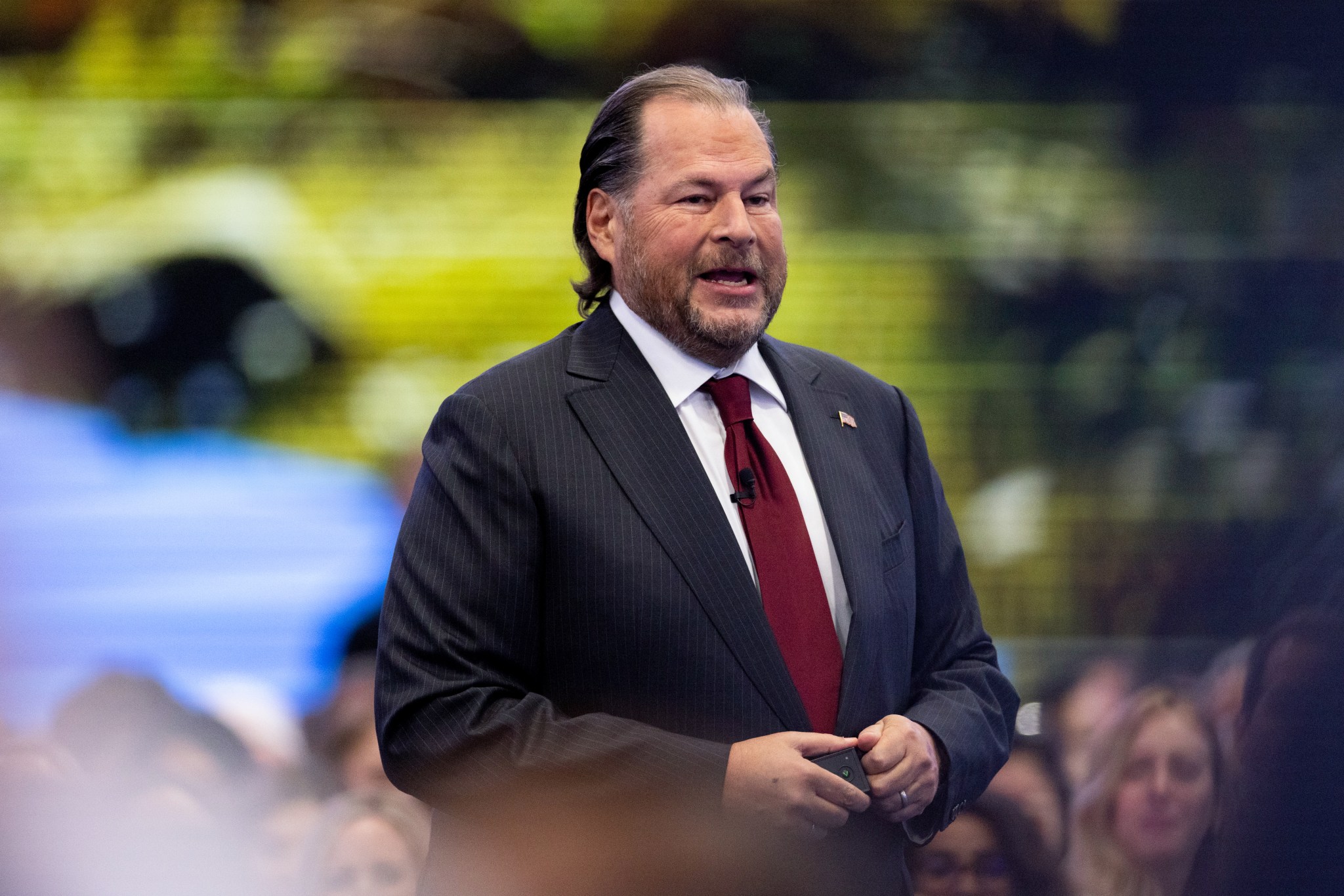
SAN FRANCISCO, Calif. — Marc Benioff strode down Mission Street Tuesday afternoon toward Salesforce Tower, where he was set to host a private dinner as part of a whirlwind of events during the company’s annual Dreamforce conference. Some pedestrians stopped to take photos of the 6-foot-5 CEO, surprised he had taken to the streets. One person congratulated him on his keynote address earlier in the day; several bodyguards surrounded Benioff as he walked.
Along the way, Benioff, still wearing the pinstripe suit and burgundy tie from the keynote, waved off concerns that AI could wipe out humanity, a topic that has been front-of-mind in Silicon Valley circles during the past week after Anthropic researcher Jacob Coxon quit over such worries. But Benioff, in a walking interview with Fortune, also said companies should be held accountable for risks they create, and he compared current AI issues to early mistakes made in social media.
“We know we have to hold companies responsible for their products and their technology before people are hurt,” Benioff said, while citing the Hawaiian concept of personal responsibility — kuleana — as essential for corporate ethics (Benioff has baked Hawaiian norms deeply into the San Francisco company’s culture.)
This year’s Dreamforce conference has again briefly become the center of gravity for the tech industry, with CEOs of major tech companies opining on AI safety risks.
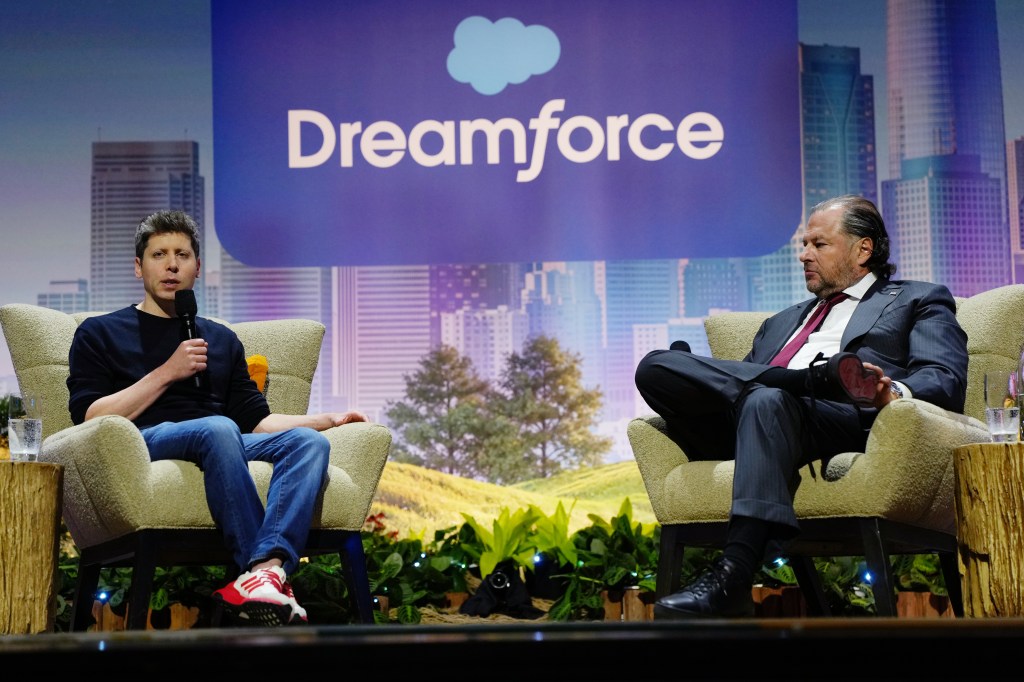
Earlier Tuesday, Benioff was on stage at the Yerba Buena Center for the Arts interviewing OpenAI Chief Executive Sam Altman. The OpenAI boss described the July hack of Hugging Face by a swarm of rogue OpenAI agents as a terrifying wakeup call, and he said that companies should pace development so that safety is ahead of capabilities. During Benioff’s morning keynote at the Moscone Center, he was joined by Anthropic Chief Executive Dario Amodei, who also advocated pacing frontier AI models.
Nvidia Chief Executive Jensen Huang, meanwhile, took a different approach during Benioff’s keynote, saying speed and safety can exist simultaneously. Separately, Meta Chief Executive Mark Zuckerberg also shrugged off concerns, writing Tuesday that AI labs have a natural incentive to create safe AI.
Without offering a concrete solution, Benioff told Fortune that the responsibility largely lies in the hands of companies making AI (some of which Salesforce invests in). He said in practice, this means companies looking ahead to prevent harm rather than offering excuses after a mistake occurs, and that firms should rank their values so as to decide what takes precedence when priorities conflict.
While he declined to say whether governments should regulate AI companies, he said laws that govern product liability can be used as a legal mechanism for accountability, much as car manufacturers are held liable if a vehicle malfunctions.
The outspoken, at times controversial CEO also proposed a new Fortune 500-like list that would rank companies by their ethical standards, and he noted Apple as one firm he holds in high regard as a security standard-bearer. Benioff said he had not spoken recently to President Trump about AI safety; the president this past weekend called AI doomsday scenarios exaggerated and blamed “negative forces.”
“Only [tech] companies know what’s going on in their lab,” Benioff said. “At some deep level, these companies must hold themselves responsible for their safety.”
At Salesforce, Benioff said, that has meant wrapping AI models in a “trust layer” designed to prevent models from misbehaving because they operate within a highly constrained structure which also closely monitors agents. He said neither Salesforce nor its clients have experienced Hugging Face-like episodes. The difference for Salesforce is that it is not the one creating the super powerful and potentially dangerous frontier models.
Benioff has an odd relationship with the AI labs, and with San Francisco itself. On one hand, Anthropic and OpenAI’s creation of autonomous systems threatens the very existence of Salesforce’s core products.
Yet Salesforce also benefits from both labs, using their models to power various parts of its flagship AI product, Agentforce. On Tuesday, Salesforce announced a new system that allows customers to access its tools without logging into its systems, and it also unveiled a new reasoning model for Agentforce that it is building with Nvidia.
And while Benioff comes from a family with deep roots in San Francisco (and has donated more than $1 billion to the area), he has recently found himself on the defensive in his hometown. Last year, Benioff issued an apology after he called on President Trump to deploy the National Guard to San Francisco during Dreamforce, citing a shortage of officers in the local police department. Angel investor Ron Conway, one of the city’s most recognized tech investors and a longtime friend of Benioff’s, resigned from the Salesforce Foundation’s board of directors after the comments, which disappointed some San Francisco residents because Benioff had built a reputation as a progressive, Democratic-supporting CEO before more recently embracing Trump (Benioff has said he’s an independent).
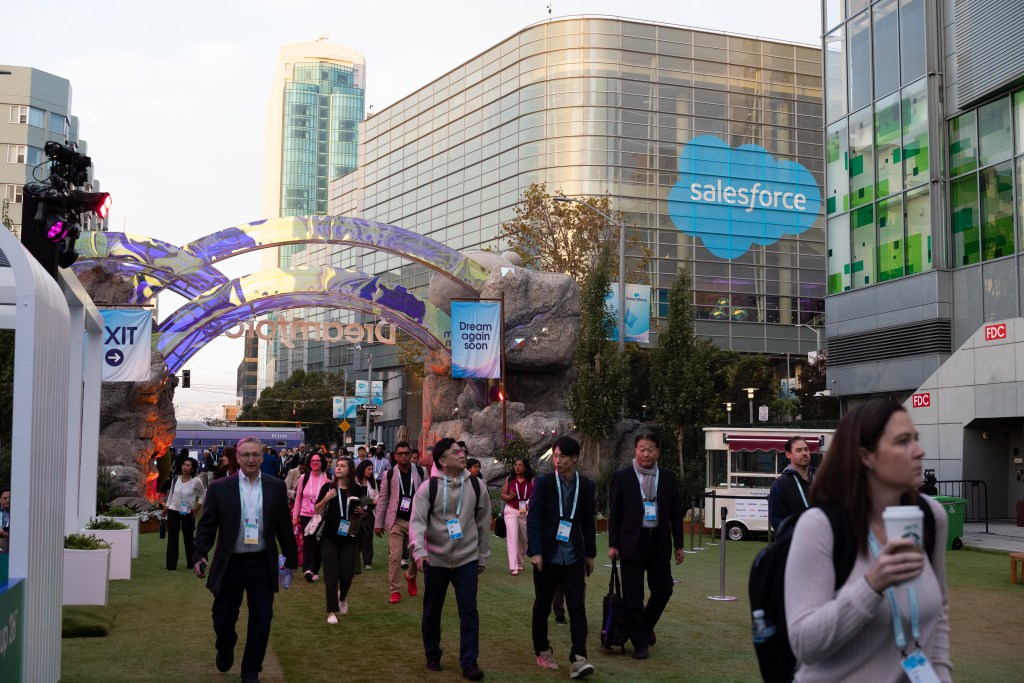
On Tuesday, as a fresh round of protesters gathered near the Moscone Center to object to issues such as Salesforce’s work with U.S. Immigration and Customs Enforcement, Benioff—who lives in Hawaii—took a lighter tone.
He said Salesforce still hires hundreds of off-duty officers during the conference but, as he stepped

Amazon just raised its minimum wage to $20. It’s not as high as it sounds
Just in time for its busiest season, Amazon has raised wages for its frontline workers, bringing their starting pay to $20 per hour. The boost amounts to a $1 increase in minimum hourly wages for the hundreds of thousands of workers who staff the company’s warehouses.
The new pay increase comes just as Amazon is gearing up for the holidays, when the tech giant sees a massive boost in orders. Historically Amazon has staffed up in anticipation of this period, hiring an estimated 250,000 additional workers last year—accounting for about half of seasonal hires across the entire retail sector.
Amazon claims that its minimum pay has ticked up by about 17% in the last three years, and that average pay across its hourly workforce is actually higher, at nearly $24 per hour. The company is also giving its workers access to a new banking benefit and grocery discount; when employee benefits are taken into account, average total compensation is more like $32 per hour, according to Amazon.
This puts Amazon pay above the minimum wage in many parts of the U.S., even as legislation has raised hourly wages across countless states and localities. By the end of 2026, the minimum wage will have crossed $15 in 14 states and 65 cities and counties, according to the National Employment Law Project; across many of those states and localities, the hourly wage will be $17 or higher by year’s end. In Seattle, where Amazon is headquartered, the minimum wage now exceeds $21.
But Amazon’s wages are hardly out of the ordinary among other retailers.
While hourly pay at Walmart starts at $14, the company says average pay for frontline workers is more than $18.50 per hour; those who work in fulfillment and distribution centers can earn anywhere from $17.85 to $40.40 per hour. At Target, hourly wages range from $15 to $24 depending on location; average pay for frontline staff is $18.50. And as of last year, Costco’s starting wage for entry-level workers rose to $20 per hour; average hourly pay across the company is $31 or higher.
Even as Amazon increases wages for its hourly workers, however, the company’s investments in automation appear to be simultaneously culling its warehouse staff.
As Fast Company has reported, Amazon started trimming head count across certain teams, outsourcing parts of its HR process to an AI chatbot; these changes have already reduced the number of HR workers who are on the floor in warehouses. Over the past two years, Amazon has also slashed tens of thousands of jobs to eliminate management layers and increase efficiency, though the company has denied those layoffs are driven by AI.
Amazon now has more than a million robots operating in its warehouses. A New York Times report last year suggested the company would be able to avoid hiring nearly 600,000 people in the coming years due to that automation—which means fewer workers may stand to benefit from the company’s pay bump.

MindsEye developer Build A Rocket Boy is reportedly shutting down

When will GTA 6 hit PC? Let’s look at Rockstar’s release history
Grand Theft Auto VI will be, barring some sort of disaster, the biggest piece of media released in 2026. Doctor Doom, eat your cold, stony little heart out.
It’s practically guaranteed to be the largest game launch in years, possibly ever…despite being limited to an Xbox and PlayStation debut. The game is inevitably coming to PC later — like its fictional criminal heroes, Rockstar’s not going to leave that kind of money on the table. But how long will it take? That’s the question I’m pondering in this week’s newsletter.
Welcome to the Boost Mode newsletter. Every week I share my insights on PC gaming, desktop setups, and hardware optimization. I also track down some of the most interesting PC and nerd news from around the web, plus a PC game pick you might not have seen elsewhere. Want this newsletter to come directly to your inbox? Sign up on our website!
A delayed PC release is pretty normal for this series. Naturally, neither developer Rockstar nor publisher Take-Two are talking. (Again, very similar to those bad guys you play as in GTA!) But we can use the company’s history of console-first releases and PC follow-ups, as well as a bit of industry scuttlebutt, to make a pretty good guess as to when GTA VI will arrive on your gaming PC.
A history of delayed PC releases
For the most relevant, empirical data, let’s take a look at the last 15 years of game releases from Rockstar. Specifically Rockstar North, the studio team within the company most directly responsible for shepherding the GTA franchise.
- Red Dead Redemption 2 — Console release October 2018, PC release November 2019. Gap: 1 year, 1 month
- Grand Theft Auto V — Console release September 2013, PC release April 2015. Gap: 1 year, 7 months
- L.A. Noire — Console release May 2011, PC release November 2011. Gap: 6 months
Max Payne 3 was released at the same time on consoles and PC in May 2012, but I’m counting that as something of an aberration, since Max Payne began as a PC franchise and it was developed as a more collaborative effort between multiple Rockstar teams.
We could go further back for more data, but I think we’d be losing a lot of relevance to the modern gaming landscape by looking at games as old as GTA IV in 2008 (1.5-year gap) and the original Red Dead Redemption (a full 14 years between the PS3/Xbox 360 release and the PC port, from a third-party team).
Based on those admittedly scattershot numbers, I would guess somewhere between one and two years between GTA VI’s November 19th, 2026 release on the PS5 and Xbox Series X/S and a PC version. So, late 2027 to late 2028. But there are many more factors at play here.
Reasons for a later release
To paraphrase a modern master, “GTA VI is big. Really big. You just won’t believe how vastly, hugely, mind-bogglingly big it is. I mean, you may think it’s a long way down the road to the Ammu-Nation, but that’s just peanuts to GTA VI.”

Rockstar
Rockstar has been working on this game for over a decade. The total budget is estimated to surpass a billion US dollars. There are reportedly 7,500 people working on it across 11 different studios all over the world. (Minus thirty or so, possibly illegally fired for whispering about unions, which Rockstar views as a 6-star criminal offense.)
The graphics tech, the internal systems, the complexity of the game engine, and the sheer size and scope of the game are set to leave more recent open-world titles in the dust. It is probably going to be, without hyperbole, the most complex modern video game ever.

Rockstar
Complexity means that the work won’t stop in November when the game releases. Hundreds, possibly thousands of developers will keep working on the game, updating and fixing a myriad of bugs even as millions of people play it. Of course, hundreds, possibly thousands of developers may also be furloughed or laid off, as Take-Two finds them surplus to requirements after spending years on the biggest video game release in history. Working in the AAA video game industry is, if I haven’t made this clear yet, kind of a nightmare these days. I can sympathize.
But yeah, with GTA VI increasing in complexity by an order of magnitude over Rockstar’s last open-world release RDR2, it’s reasonable to suspect that it might take longer than usual for the game to make the leap from console to PC. Exactly how long will probably depend on how solid the game is upon release.
Reasons for a sooner release
Video games, even games released on consoles and phones and YouTube, etc., are developed on PCs. And these days, they’re made to be cross-platform from the ground up. Even if Rockstar wants to wait a year or more to release GTA VI for Windows, it’s planning for that eventuality right now.
The engine that Rockstar is using is called RAGE, the
Why the Postpandemic Tech Bust Sent Billionaires to Trump

AI短剧市场见顶,Seedance开始降价
(本文作者为 白鲸实验室,钛媒体经授权发布)
文 | 白鲸实验室,作者|马舒叶,编辑|刘培
视频模型赛道里,字节的Seedance作为霸榜模型,已经维持半年之久。谁能成为Seedance的平替,一度成为业内最关心的事。
对销售来说,上半年卖Seedance,几乎不需要太多销售技巧。用户端几乎没有议价权,哪怕是千万年框的客户,也很难换来直接折扣。
但是到了8、9月,Seedance销售开始主动谈折扣了。一位Seedance API第三方服务商告诉我们,Seedance2.0最低可到5.5折,8月发布的满血版2.5也可以优惠到8.8折。
这意味着长期支撑Seedance形成的技术溢价,正在被打破,视频生成赛道开始进入降价换取调用量的商业化竞争阶段。提到降价原因时,这位渠道商没有回避,“今年7月31日发布的MinMaxH3带来的冲击确实比较大。”
在业内不少人看来,MiniMax7月底发布的H3,凭借开源策略和强编辑能力等,冲击了Seedance部分用户。
不过他们也承认,目前仍没有一家模型公司撼动Seedance的地位,尤其在仿真人的质感、复杂运动和稳定性上,Seedance依然是最好用的模型。
只是,无论Seedance还是MiniMax的H3,当前视频生成领域最大的落地场景AI短剧市场已经见顶,视频赛道从国内生态卷到出海,AI短剧行业正裁员。很明显,视频生成的第一波红利已经消退。
H3没有打败Seedance,但分走了蛋糕
7月31日,MiniMax发布视频模型H3,并开源后,市场上一度传来H3会冲击Seedance的声音。
H3凭借还不错的生成效果和高性价比,在AI视频创造者中确实口碑不错。尤其是在8月临时决定开源,支持本地部署,可以用消费级显卡带动。
本地部署最大的优势,就是后续单次调用的边际成本“几乎可以忽略不计”,对持续大规模生产、能摊薄设备成本的影视公司来说,它越来越划算。
我们了解到,虽然仓促开源,实际上也挣不到什么钱。不过在MiniMax看来,若能撬动原有市场,或者赚到口碑,也很有必要。
这个策略确实有成功的地方。一位接近字节的人士告诉我们,火山引擎原本预计,Seedance API的售卖能够继续保持增长态势,但因为H3的影响,近期Seedance的营收开始降了。
最近两个月,“Seedance先失去的,是大量AI短剧之外的客户,包括广告、2D等内容创作等等领域的用户,对他们来说,只要不追求对真人动态的高质量复现,就完全可以不用Seedance了”。
这部分客户对价格高度敏感,对画面质量要求不高。一位创业公司的市场人员用H3做了公司的宣传视频,“只要写好prompt,生成时长控制在7-8秒内,生成效果就是可以商用的了。”尽管H3的生成稳定性和可控性差,特别是仿真人的镜头,但对于现在的工作来说已经够用。
另一位AI视频导演则是用H3做2D、3D动漫和游戏项目,生成效果“能和Seedance 2.0打平,但一次生成时长最高只有15秒,Seedance已经能做到30秒,不过单次成本少了至少一半。”
过去由于Seedance的昂贵,哪怕有时生成效果不如预期,考虑到再次生成的模型抽卡概率,还有按秒算的token消耗,他都会选择凑合。而现在,他已经可以用H3练手了。

上述接近字节的人士估计,“H3切走了市场里差不多20%左右的客户,这部分客户对字节虽然不是大客户,但也能提供稳定现金流。”
不过,Seedance依然是最好的模型,也是AI视频创作者眼里,高质量生成的代名词。MiniMax仍然有自己的短板,比如在复杂的故事镜头上,它的能力相当于只有Seedance的70%。一位导演对我们说。
上述渠道商表示,他最近接触了一个AI短剧公司,最近花了15万元本地部署了H3,但由于对方需要制作质量更精良的横屏短剧,生成一条视频算上反复打磨,有时等待接近两个小时。实验下来,他还是要继续采购支持高并发和快速生成的Seedance。
但对字节来说,一家公司不需要把Seedance全部换掉,只需要把其中20%、30%、甚至一半的镜头拿走,Seedance的调用量就已经发生变化。
不是所有镜头都要调用Seedance,这成为一些AI创作者的共识,与其选一个最好的模型从头用到尾,不如选不同模型来的经济实惠。也就是说,关键的仿真人表演还是Seedance的主场,但此外的任务,都可以摸索出Seedance的替代方案。
AI短剧见顶了
Seedance真正的冲击,或许还因为AI短剧市场不再是增量市场。
一家传统影视公司从前年开始转型成为AI影视公司,他们目前同时生产三类短剧项目。
第一类是偏向下沉用户的AI短剧,主要发在国内短视频平台上;第二类是海外剧;第三类是优爱腾芒等长视频平台需要的横屏中剧、中长剧,甚至AI网大。
其创始人钟鸣(化名)告诉我们,三种剧的预算相差很大。一部普通AI短剧,如果人工、模型和其他制作成本全部计算进去,成本大约在5-8万元,做得重一些会到10万元。横屏中剧、中长剧和AI网大成本则在20、30万元以上。
在成本控制上,钟鸣制定一条红线,三类项目的算力成本(模型生产成本)不能超过总成本的三分之一。对制作方来说,短剧成本“超过三分之一,考虑到项目组人员薪资和预期回报,这事就没得干了。”
其实半年前,几乎没人关心这条成本红线。
当时AI短剧最令人兴奋的点是生产效率。真人短剧需要演员、场地、摄影和大量工作人员。Seedance 2.0的出现,直接改变了原有的短剧、广告片的制作过程,一个人能承担过去几个人甚至十几个人的工作。
Seedance的生成质量很稳定,减少反复抽卡试错的次数,团队就能更快交付成片。比起一个真人短剧项目——找场地,聘用演员,不仅周期长,制作成本动辄40-50万。使用Seedance做AI仿真人短剧,成本能锐减3/4。
于是所有视频内容生产公司都在扩大产能。
一位AI短剧制作者李莉说,过去一个组大约一个月做一部,现在生产周期压到了三周左右。老板的逻辑非常朴素,尽管国内短剧爆款率只有约2%,但是有了AI,完全可以靠砸量来增加爆款的数量。
一部不爆,就多做一部,一部只赚一点钱,可以同时做更多。
问题也由此出现。一家公司拥有更高产能,是竞争优势。所有公司同时拥有更高产能,得到的就是更多同质化的内容。
从用户视角看,视频行业的价值曲线很快就会见顶。这个逻辑不难理解。视频赛道因为有AI,效率提高几倍,用户观看视频的时长并没有同比例增加,广告预算没有因为AI提高几倍,平台能够分出去的流量也不会按照模型的生成速度增加。
Seedance只是快速解决了短剧行业的产能不足,并没有解决一个核心问题,什么会爆。
李莉所在公司已经开始裁员,她认识的其他AI短剧团队都在收缩。上半年,从业者还能通过跳槽涨薪,现在开始有人降薪跳槽,被裁后甚至找不到下一份工作。
出海也面临相似的内卷。国内对仿真人短剧加大管控后,出海成了AI短剧公司的出路,不过这个红利也在迅速消失。
钟鸣的感受最明显。4、5月时,海外AI剧还是一个供给相对稀缺的市场。国内库存剧、质量一般的转制剧,甚至把中国人物换成外国脸,都能找到收入空间。
到了七月,越来越多的中国团队过去了。内容量增加,平台审核开始严格起来,低质量内容被直接筛掉。部分内容的结算已经低到万播一美元,甚至几毛、几分美元级别,大家只能继续卷本地人物、本地故事和本地叙事。
国内发生的事情,很快在海外重演了一遍。供给多起来以后,供给本身就不值钱了。
另一位做出海AI短剧的制作者,拥有自己海外独立的短剧平台,但海外收入微薄。近期她所在的小组做过5部海外剧,其中多部在两周内做到两三千万播放,还有一部达到四五千万级别。但这些内容最终带来的收入仍然只有十几万元人民币。
模型一秒贵几毛钱,过去不是问题。但当一万播放量只能赚几十元时,它突然就成了问题。如果一部剧总预算只有六七万元,模型消耗三万元,模型智能就不再是最重要的考虑因素了。
模型价格对创作者开始变得更重要了。
一位接近字节的人士解释称,“短剧见顶了,支撑起AI视频生成市场的大客户从扩张期进入利润期,便宜一点就变成了购买理由。”这也意味着,Seedance不再有溢价权,一旦有其他模型厂商提供的模型能力还不错,价格更便宜,原有的份额势必会被蚕食。
视频生成的入口也在迁移
为了应对新变化,Seedance开始降价。
火山官方渠道的价格已经可以做到一定程度的折让。Seedance2.5的满血版本,给月度消耗达到近百万元的企业客户,可以进一步谈到八八折左右。
按照上述接近人士的统计,Seedance 2.0或2.5,即便降价仍在四毛钱以上。另一位渠道商给出的零售报价是,Seedance 2.0满血版约0.44元/秒;2.5的480P、720P分别约为0.6元和1.36元/秒。
但即便Seedance降价,也仍高于H3生成成本,后者已经可以做到约一毛钱一秒。还有一个现实是,当前市场的格局,用户并不会局限一款模型,更倾向模型混用。
钟鸣的影视公司并没有把全部业务迁移到其他模型,价格贵的Seedance依然是主力模型。不过,为了控制成本不超过三分之一,保证制作质量,他们会在不同环节用不同的工作流工具,比如用Libtv做视频生成整体成本更低,生图选用ChatGPT,调用inage模型,剪辑,横屏短剧用达芬奇,竖屏短剧再用回剪映。
他的AI内容制作没有跟着模型走,而是跟着工作流平台走,“成熟的工作流平台能很大程度上提高制作效率,控制成本。”
数位AI内容创作者告诉我们,成熟的内容组大都已经搭建起了自己团队的工作流,这种成熟工作流能进一步降低模型对视频生成结果的影响。最经济的办法就是,质量、复杂度最高的镜头继续使用Seedance,质量要求相对低一点的任务换其他模型。不着急的任务甚至可以先本地部署,再慢慢跑。
对AI内容创作者来说,工作台的重要性开始超过以往。
当越来越多创作者选择先进入一个AI视频创作工作台,提高自己的创作效率,由工作台把不同镜头路由给Seedance、H3、Wan,模型就从入口变成了供应商。
视频模型的权力中心也可能开始往上移。过去,Seedance模型最好,吸引客户,客户来了,就产生调用,调用量最后变成火山引擎收入。如今,效果最好的模型仍然可以占最醒目的位置,但它不再拥有绝对的议价权。
这也解释了一个看起来有些奇怪的现象,为什么整个AI视频生产都在这个工作台开始往完整成片推进。
一位接近Seedance的人士表示,从2.0到2.5,Seedance也围绕模型外的harness工程做了迭代,易用性也会影响模型智能的呈现。
模型公司里,字节也在同时推进多套类似系统。小云雀已经可以先解析长剧本,再处理人物和场景资产,最后进入分镜和视频生成。字节内部还在测试一款更重的漫剧工具,可以上传长篇剧本,由系统完成项目规划、资产设计、分镜生产和视频合成,并把多人协作和抖音短剧发行入口接到一起。
火山引擎的Seedance Studio也从“创建项目”开始,继续往需求理解、创作规划、项目组织、生成、修改和成片推进。
MiniMax H3发布后,就顺势推出了MiniMax Design,强调集成H3之外所有常见模型,包括Seedance,可以在一个画布上完成所有的视频生产和编辑流程。

腾讯有WorkRally,把漫剧制作拆成一系列可以被Agent调用的工具。除此之外,AI视频生成公司,包括LibTV Agent,Oiioii都有类似的产品。
一方面,所有人都想用一揽子服务把用户留在自家平台上。另一方面,当下一部片不再只用一个模型,工作台就能决定每一个镜头该用哪个模型、花多少钱、失败以后要不要重做。
MinMax接下来会更新H3.1,据悉要进一步提升模型智能表现,如当前H3生成时长仍为15秒,MinMax需要追上Seedance 30秒的生成时长。
阿里的逻辑则是,Wan不一定要靠一款模型本身挣到最多钱,它可以只成为阿里云模型服务、开发工具和企业生产体系中的一个能力节点。
不过,随着原腾讯混元多模态理解预训练负责人彭厚文加入阿里ATH- Token Foundery- 未来生活实验室,阿里显然也瞄准了多模态模型背后AI视频生成市场。
可以看到,视频模型玩家们,通过抢占入口试图拥有更大的议价权和利润空间。入口一旦形成,模型Benchmark第一和调用量第一,以及真正赚到最多的钱,就可能成为三件不同的事。
更多精彩内容,关注钛媒体微信号(ID:taimeiti),或者下载钛媒体App

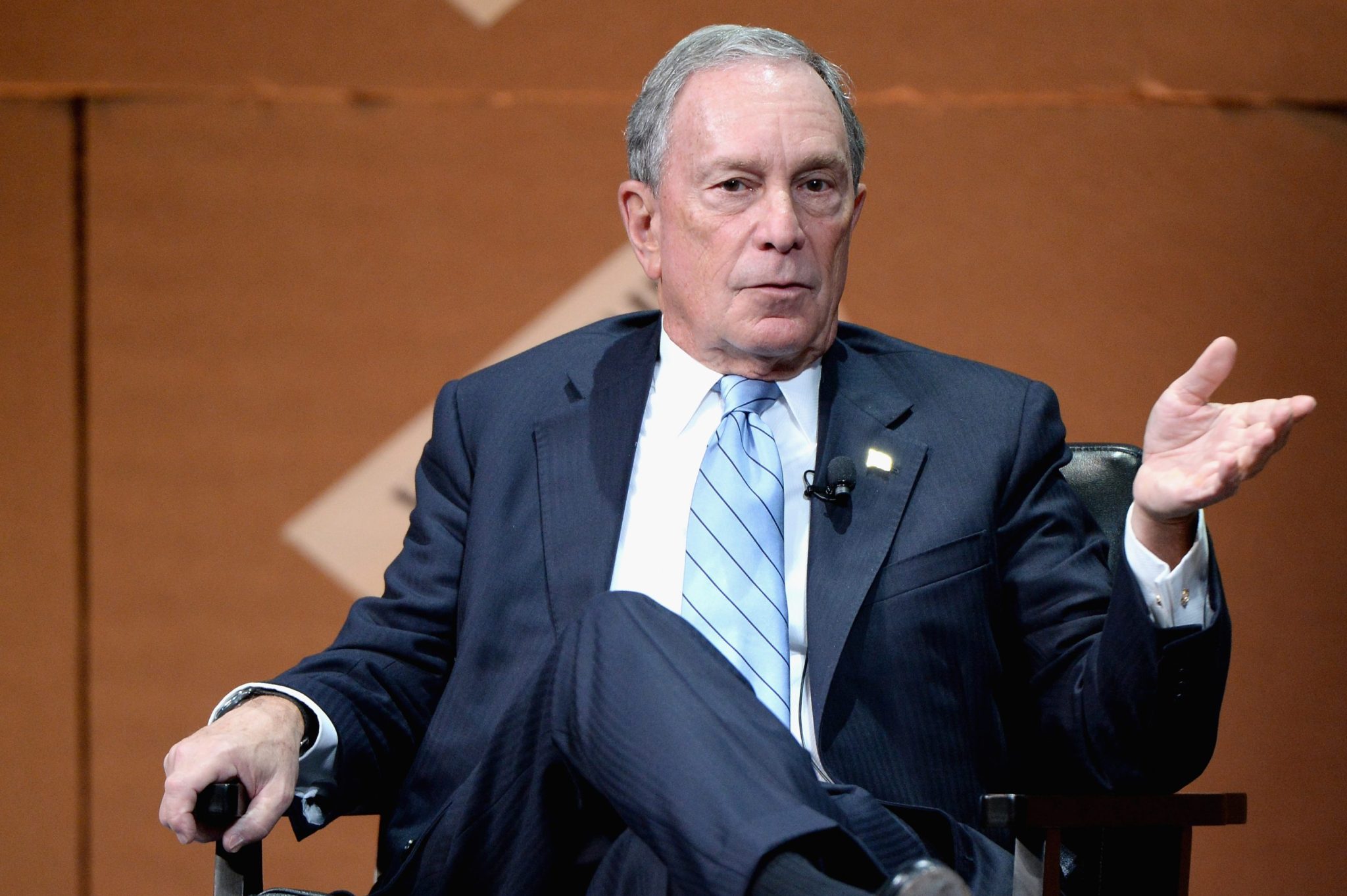
Billionaire Mike Bloomberg was fired after dedicating 15 years of his career to Salomon Brothers—the next morning, he founded his media empire
Being involuntarily ousted from a job—whether that be from a layoff or firing—is a universal, career-altering experience that very few professionals are lucky enough to never go through.
Many of the greats have gotten the boot: Steve Jobs was ousted from Apple in 1985 after an intense power struggle at the $4.85 trillion company, and Oprah Winfrey was fired from her job as a TV anchor in Baltimore, deemed “unfit” for the role. Even pioneering inventor Thomas Edison was dumped from several jobs while he continued to shape our modern world.
Mike Bloomberg—American media magnate, politician, and philanthropist—was no exception. About 44 years ago, before founding his news company or becoming the 108th mayor of New York City, the billionaire was let go from his role as partner at investment bank Salomon Brothers. He had spent 15 years working his way up the corporate totem pole, starting as an entry-level clerk earning $9,000 annually. After being laid off amid Salomon Brothers’ acquisition by Phibro Corporation, it would be the last time he worked a traditional full-time job.
“Getting fired from Salomon Brothers drove home a lesson that I’ve carried with me throughout my career in business, government, and philanthropy: Every setback is an opportunity,” Bloomberg told Fortune last year. “If I hadn’t gotten fired, I might never have started Bloomberg, never run for mayor, and never had the chance to give back through Bloomberg Philanthropies, which is working to tackle big challenges around the world.”
The now-84-year-old entrepreneur wasted no time wallowing in the pain of being pushed out from a company where he said he would have spent his entire career. The morning after getting laid off, Bloomberg launched an organization named Innovative Market Solutions that would later become Bloomberg LLC: the privately held software, data, and media company with major successes including the Bloomberg terminal and Bloomberg News. He teamed up with Thomas Secunda, Duncan MacMillan, and Charles Zegar to cofound the organization in 1981, using his $10 million severance package from Salomon Brothers to get the business off the ground. Bloomberg currently owns 88% of his company, which has estimated annual revenues of nearly $15 billion, according to Forbes. Bloomberg himself is worth an estimated $109.4 billion.
From his current height as one of the most influential billionaires spanning politics, media, and philanthropy, that rejection is far in the rearview mirror. But the experience taught Bloomberg setbacks don’t have to be career-crushing and impacted his philosophy as a leader today.
“Did getting fired sting at the time? Sure. The firm had been such an important part of my life for 15 years,” Bloomberg said. “But when you get knocked down, you have to get up and dust yourself off—and move on.”
“I’ve never been one to look back,” he continued. “You can’t change the past, so why dwell on it? Besides, if you never fail, you’re not setting your sights high enough. Life is too short to stick to the bunny slope.”
What Bloomberg learned from getting fired from Salomon Brothers
While Bloomberg has no hard feelings and doesn’t ruminate on the fact he was laid off, he does carry the lessons he learned from the experience. It taught him invaluable truths about professional careers and shaped the way he runs his business and philanthropic organizations.
“Getting fired was hard, but I never held it against the people involved, because I had learned so much from them over the 15 years we spent together, including about the importance of giving back,” Bloomberg reminisced. “I took much more from the job than a paycheck.”
One takeaway for Bloomberg is the reality of how much you can actually plan ahead. Succeeding might sound like a straightforward process: joining a company, rising through the ranks, and taking over the throne after years of dedication. But life has a funny way of showing that even a sure thing could always be flipped on its head.
“Getting fired also showed me the limits of long-term planning. I loved working at Salomon and might have spent my whole career there,” Bloomberg continued. “It’s okay to make plans—but never let planning get in the way of doing. The best laid plans often go awry, and you have to be able to roll with changes and adapt to them.”
Bloomberg also garnered a deep admiration for loyalty. As someone who had once dedicated his career to his former employer, he recognizes the power of dedicated workers. At his own company, he shows that gratitude by giving out commemorative pylons when staffers reach tenure achievements. He said that while walking around the office, employees proudly display their statues marking 10, 20, and even 30-year milestones. Bloomberg currently boasts more than 26,000 employees who stay for an average of 7.8 years, as of 2024. For reference, wage and salary workers’ overall tenure is about 3.9 years at their employers, according to 2024 data from the Bureau of Labor Statistics.
A part of that longevity may stem from the culture he’s created. He said Bloomberg’s offices across nearly 70 countries foster a sense of “collaboration and creativity” and flatten company hierarchy with its office layouts. Bloomberg explains it was intentional that all workspaces have no walls or private offices, with every employee, regardless of position, receiving the same size desk. He said he believes people leave their companies when they don’t feel heard or invested in—especially young people. Setting this standard has kept Bloomberg staffers around for decades.
“The experience also left me with a special appreciation for the value of loyalty and of rewarding hard work,” he said. “That kind of longevity is increasingly rare in business, and it happens because we’ve never stopped investing in people and giving them opportunities to grow their careers.”
A version of this story was published on Fortune.com on Sept. 23, 2025.
This story was originally featured on Fortune.com

Oracle told staff on Monday that Monday was their last working day
Oracle began another fresh round of layoffs on Monday. Three affected employees and a copy of the notification email described the round to Business Insider, which reported that staff were told their role had been eliminated “as part of a broader organizational change” and that “today is your last working day”. Posts from people saying […]
This story continues at The Next Web
Oracle announces new layoffs to offset AI spending
Tech giant Oracle launched a new round of layoffs today as the company seeks to offset massive artificial intelligence infrastructure spending. Oracle informed affected workers via email early this morning.
Business Insider reported last month that Oracle was looking to reduce payroll after borrowing billions to build data centers and buy chips.
Fast Company has reached out to Oracle for comment.
The database pioneer has bet big on AI, saying it anticipates an eye-popping $90 billion to $95 billion in capital expenditures this year. However, despite strong revenue growth, it has accumulated $125 billion in debt to fund the expansion and has a lower credit rating than its hyperscaler competitors, according to CNBC.
To shore up its financial position, Oracle has been cutting workers: Its global head count fell by about 21,000 employees, or 13% of its workforce, during the fiscal year that ended on May 31.
Since then, it has revised the cost of its “2026 Restructuring Plan” upward by $700 million to $2.8 billion, largely to account for severance packages.
These cuts reflect a new way AI has disrupted the labor market, particularly in the tech sector. Along with threatening to replace human labor, AI is leading some companies to free up cash for AI investments by cutting payroll.
In March, for example, global software firm Altassian announced roughly 1,600 layoffs, or 10% of its workforce, in a move that chief executive Mike Cannon-Brookes said was necessary to “self-fund further investment in AI and enterprise sales.”
Software company Autodesk also cut about 1,000 jobs, or 7% of its workforce, in January. While the CEO Andrew Anagnost said the primary reason was a go-to-market restructuring, he also said Autodesk was making targeted adjustments while “reinvesting in and scaling” AI, platform, and industry cloud capabilities.
The trade-off between investing in AI and investing in workers is becoming increasingly visible to employees themselves, particularly as companies announce layoffs alongside massive spending commitments.
“Today I learned that many former colleagues at my previous employer (Oracle) were part of another round of massive layoffs,” one former Oracle engineer posted on LinkedIn today. “The battle to build AI centers has lots of casualties.”
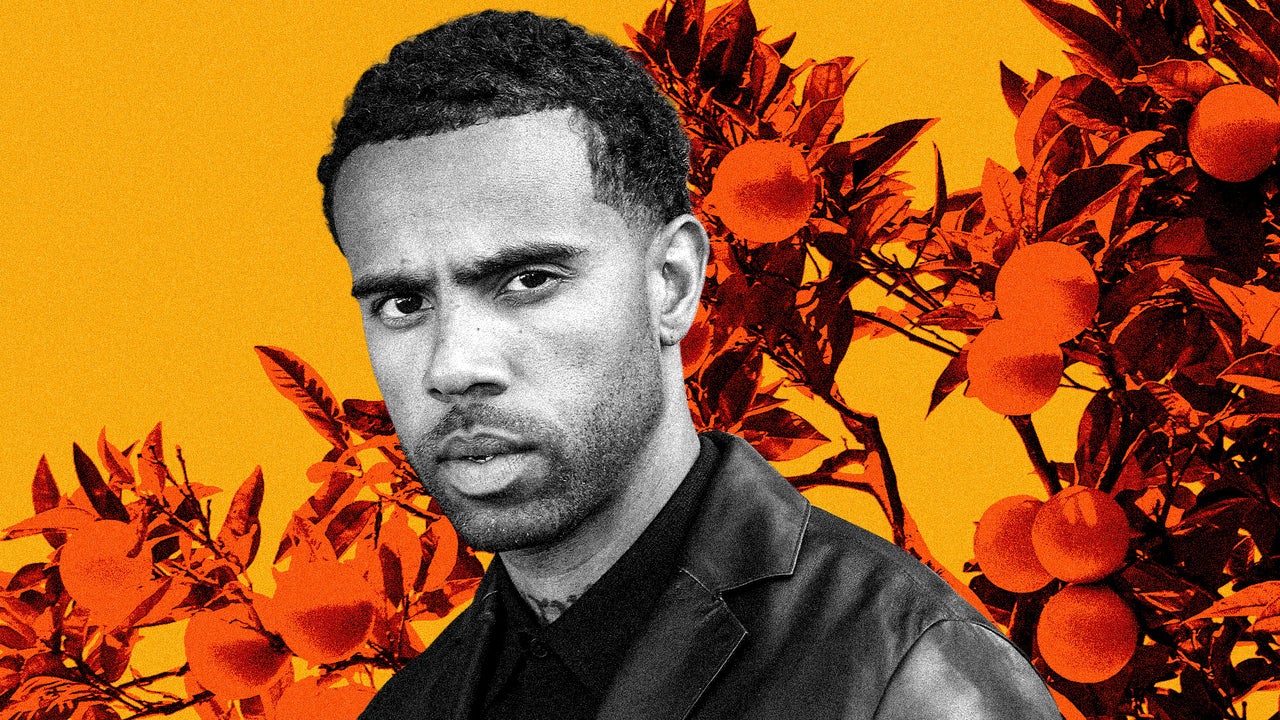
Vic Mensa peels back the cost of speaking up on social media and his popular ‘Orange Tree’ video series
Quick, what’s the first thing that comes to mind when you picture an orange tree? If the response is “Vic Mensa’s backyard,” congratulations. You’re likely unusually attuned to social justice and an internet savant to boot.
For the uninitiated, Vic Mensa is a rapper-turned-activist known lately for his stream of consciousness video monologues dubbed the “Orange Tree” series. In the videos, Mensa muses over modern historical political issues plaguing the American public as well as his personal life, delivered in a way that makes viewers feel as though he is speaking directly to them.
While earnest and measured, he does not shy away from sharing personal opinions and refuses to self-censor, all the while peeling an orange plucked from his backyard orange tree.
Video topics run the gamut—the ramifications of slavery, Palestine, fatherhood, the World Cup—and have racked up millions of views. They’ve also cost Mensa opportunities, he says, because of “speaking his mind and talking to people in a genuine way.”
After winning the attention of social media, Mensa went on to win a Webby Award in the People’s Voice category.
To understand why Mensa’s videos gained significant traction at a time when the internet is oversaturated with content, one must understand today’s political climate and its intersection with the chronically online.
He addresses an American public disillusioned by the government and traditional media, exhausted by AI proponents refusing to reckon with its harms, and worn down by climate disaster, layoffs, and war after war—while quite literally watching the fabric of society come apart.
In posting these videos, Mensa joins the ranks of other celebrities who have dedicated their platforms to social justice awareness, such as children’s YouTube educator Ms. Rachel, actress Hannah Einbeinder, and actor-director Mark Ruffalo.
When asked about how he builds trust with his audience, Mensa points to an inclination to be vulnerable and honest, especially about his own experiences.
“I just try to be a man of integrity,” he tells Fast Company. “There are certain things that will come to me—endorsements and advertisers—that are just antithetical to what I believe . . . and I don’t take the money. I’m sure I would damage trust if I took the money, but I also would lack integrity.”
Mensa’s unfiltered coverage and nuanced takes eventually led to the recent launch of The Vic Mensa Show, a planned continuation of raw, authentic conversations, but this time featuring guests.
It is a video podcast “where artists, thinkers and cultural figures talk about what freedom actually costs,” according to his website.
Mensa recently stopped by Fast Company’s office in New York City to unpack the journey behind the viral series, the newly launched show, and his creative process.
This interview has been edited and condensed for brevity.
On creating the “Orange Tree” series
I have an orange tree in my backyard and [it] became an exercise in writing, communication, comedy, political, historical research, and cinematography.
It’s definitely a passion project. . . . Something I have learned from that is, sometimes the painting that the artist creates for love of his work is the greatest one.
[There are times in] this life when you do things without knowing where it may lead and without necessarily even a commercial viability, but just to express yourself and out of inspiration with a pure inspiration—that you may stumble on something great.
On figuring out where to start
To begin unprepared is better than to have never started at all. And it’s okay to learn on the job when you’re working for yourself.
First, I was doing these videos just in my car on an iPhone. . . . I was like, man, this shit looks like ass. It doesn’t fulfill me creatively. Ideologically, as a voice, it’s fulfilling me, but the visual is fucked. So I got the camera . . . this is still ass. Still not good. So I bought some lights . . . maybe a little bit better, but still kind of whack.
In the process of disliking the visual product that I was creating, I was pushed to keep trying to change something. Okay, switch from [Adobe] Premiere to [Blackmagic Design] DaVinci. Learn color science to a degree. Learn how to build a node tree. Exposure, saturation, custom curves, qualifiers, all the shit.
Eventually, I figured out to use the sun as a backlight, and I kind of peeped what a key light was, and have some darkness and learn some shadows and see that the dark parts of the image give it depth and give it humanity and reality.
I did so much that I thought was whack, didn’t meet my personal creative standard . . . but learning on the job, I’ve gotten a lot better in a year’s time.
On the creative process behind episodes
I do write them. Sometimes it’s like a journal entry. One time I was talking to my therapist and I was telling her what I had started to understand about lighting—that having shadows on my face, having parts of me that are underexposed and maybe completely dark actually was progressing my image.
And that it felt like a metaphor for life . . . when you can properly utilize moments of darkness interplayed with enlightenment, you get a full picture of a person. She was, like, “That’s a good one.” And I was, like, “I should go do an Orange Tree about that.”
Sometimes I write them while I’m pushing the baby around in a stroller. That’s a good time to write. Driving is a good time to write.
The way I look at turning something that is a larger idea into a small digestible format is most often I write a joke. I identify a premise and perhaps a perspective, maybe a contradiction, and I look for a joke. . . . A lot of this shit is actually too ridiculo

Union Contract with Microsoft Ratified by 1,900 Blizzard Developers and Workers

Read more of this story at Slashdot.
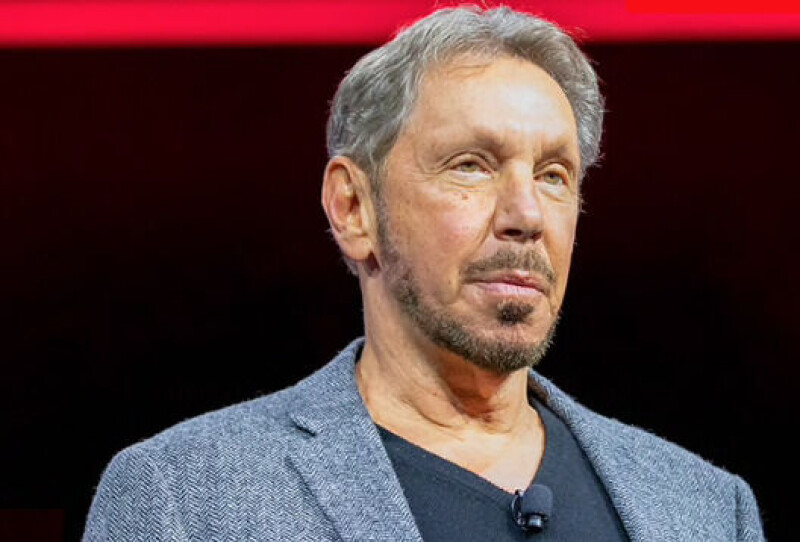
Oracle celebrates banner quarter with another round of layoffs

Microsoft drafts feel-good AI model guidelines and wants your input
Xbox CEO希望通过提高透明度来扭转公司颓势
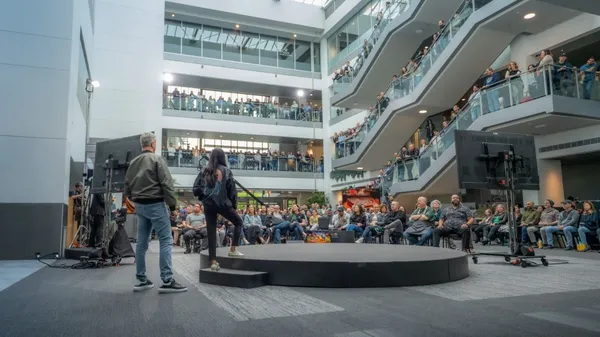
尽管阿莎·夏尔马被任命为Xbox首席执行官后,公司做出了一些颇具争议的决定,例如7月份的大规模裁员,但《华尔街日报》一篇关于夏尔马的新报道指出,她领导力的关键要素之一是透明度。B社陶德也谈到了夏尔马的这一特质,并称赞了她的沟通能力。
阅读全文
感受到了时代的摇摆
(本文作者为 吴怼怼,钛媒体经授权发布)
文 | 吴怼怼
最近一年,我时常感受到时代的摇摆。
9月4日 OpenAI 发布 GPT-6 Astra,三天后黄仁勋在 X 上写下“AGI 已至”,顺手报了个数:训练用掉十万多套 Grace Blackwell NVLink72,后面还有四十万块 GPU 等着上线。
可几个月前,当所有人都认定 AI 要重写文明的时候,他讲的是另一句:AI 说到底是更好的软件、更强的工具。同一个人,两副嗓子。
我不觉得他自相矛盾。他在两个时区里说话。对历史的那个时区,话不能说满,万一十年后这轮AI浪潮剩下一堆折旧干净的机柜,“AI 说到底是工具”能把他从名单上摘出来。
对订单的那个时区,话必须说满,客户的资本开支靠信念撑着,信念一凉,采购单就往后推一个季度。卖铲子的人不预测金矿储量,他只负责让你相信铲子不够用。英伟达上一季数据中心收入890亿美元,同比翻了一倍多,他在电话会上说"现在,计算就是收入"。这句话比"AGI 已至"要诚实。
另一层摇摆在盘面上。
去年八月寒武纪股价超过茅台,被叫作"寒王";今年年初源杰科技接棒;到四五月,股价之王的椅子在茅台、源杰、寒武纪、联讯仪器之间,一个月内换了8次手。
不过每股价格是个虚荣指标。真正的位置变化在市值和筹码上。5月12日中际旭创破千元,总市值过 1.1 万亿;6月18日它报 1368 元,流通市值突破 1.5 万亿,当天在股价和流通市值两个维度同时超过茅台。
到六月底,A 股流通市值前十里挤进了工业富联、中际旭创、寒武纪。公募的重仓榜也换了人:中际旭创从 2025 年四季度末起就坐着第一大重仓股的位子,2026 年一季度末持有市值 738.96 亿;茅台排第五,基金持仓市值跌破千亿,落到 944 亿。
资本市场给这种撕裂起了最接地气的名字:“老登资产”与“小登狂欢”。
守在“老登”阵营里的,逻辑在于任你算力通天,人类总得喝两口;任你大模型写出花来,巴菲特手里的铁路、能源和保险浮存金,依然是物理世界的地基。他们坚信物理规律和生物属性不会被AI颠覆。但这种坚守是极其煎熬的。看着隔壁的小登们靠着光模块、服务器、液冷概念甚至几句虚无缥缈的算力租赁代码,几天翻倍、整月连阳,老登们守着阴跌不止的K线,嘴里念着价值投资,心里却像油煎一样:难道世界真的变了?
可当纳斯达克打个喷嚏,几家科技巨头的财报稍微不及预期,小登资产立刻踩踏式下坠。这时候,老登资产又成了的避风港。于是天平又荡了回去。小登涨,老登跌;小登跌,老登稳。两拨人在红绿交替的K线里互相道煞笔,谁也没法说服谁。
跷跷板也咬得紧。总量就那么多钱,它在两种世界观之间来回搬家。摇摆感就是这么来的:市场每天给出相反的判决,而每一次判决在当天都成立。
更具讽刺意味的,是技术在现实维度的回旋镖。
但凡深度用过这一代大模型的人,哪怕只是用它写几段脚本、润色几封邮件,都会由衷地生出一种宿命感:这玩意儿太强了,旧秩序确实保不住了。
可魔幻的地方在于:用AI的人,根本没从AI身上赚到钱。
普通打工人用AI提高了十倍的效率,结果没有提前下班,老板把原本三个人的活塞给了一个人,剩下两个人顺理成章地被“优化”成了时代的代价。程序员用AI写代码,最后发现初级程序员的岗位直接蒸发了;画师用AI出图,转头外包合同就被资方腰斩。技术确实提升了生产力,但在分配机制毫无变化的现实中,生产力的跃迁首先兑现成了劳动力的贬值。
兴奋是属于AI博主的,焦虑和失业是留给普通打工人的。但是,有没有哪个AI博主真的用AI做出某个项目或产品,而不是卖课或者给国内大厂宣发整使用说明书的呢。
生产率的果实顺着链条往上走,进了卖算力的、卖电的、卖存储的,以及股东的口袋。
不过往上走一层,摇摆的情况也没好到哪去。2026 年五大云厂商的资本开支预计约六千九百亿美元,而所有头部纯 AI 公司这一年的收入合计预计不超过四百亿。分母和分子差了十七倍。2025 年三季度,亚马逊、Alphabet、微软、Meta 四家的自由现金流合计降到约四十亿美元,十年最低。他们赚的钱当季就变成了机柜。
链条上眼下真正落袋的,只有最上游那一小段:卖芯片的、卖存储的、卖电的。剩下的人都在替未来垫资。
垫资名单里还有一群人,没有被通知过。
三星、SK 海力士、美光把先进产能大幅切给 HBM 和企业级 DRAM,消费级的 LPDDR、UFS 被挤到一边。今年一季度 DRAM 合约价环比涨了九成上下,部分现货三个月累计涨超三倍。存储在手机 BOM 里的占比从一成多冲到三四成,旗舰机上内存单价超过 SoC,成了最贵的单件。
按小米的口径,一台 12+512 的机器,光存储成本同比多掏约一千五。Gartner 估计到年底 DRAM 和 SSD 合计涨百分之一百三,把 PC 价格推高一成七、手机推高一成三;Counterpoint 预测今年全球手机出货量掉一成四,回到 2013 年以来的最低点。
把这些摆在一起,事情就清楚了:手机需求没有爆发,价格却在涨。你没用上 AI,你的下一部手机、下一台电脑,已经在替数据中心分摊账单。一笔没有名字的税,征收方式是让你多等一年再换机。
再往深一层:同一组数字经常能读出两个方向。
从 2023 年 3 月到 2025 年 4 月,同等水平模型的每百万 token 推理成本从三十美元跌到一毛出头,降幅超过 99.7%。看到这个数,一派会说 AI 正在变得极其便宜,普及只是时间问题;另一派会指出,同一段时间里企业的 AI 云支出翻了三倍。
两句话都对。价格跌下去,用量涨上来,总账单反而更大。杰文斯 1865 年讲煤炭时就说过这事:蒸汽机效率提高,英国的煤反而烧得更多。
摇摆感有一半来自这里。你手上的证据太够了,而且指向相反。
这种局面在历史上不新鲜,只是每次换一身衣服。1840 年代英国铁路狂潮最疯的那年,议会批出的新线里程比全国已通车的还多,泡沫破了之后无数中产家庭血本无归,铁轨却留下来了,跑了一百多年。1990 年代末铺光纤的公司倒了一大片,光纤没倒,后来的流媒体全踩在它上面。索洛 1987 年说,计算机时代到处都看得见,就是在生产率统计里看不见;那句话说完又过了将近十年,数字才开始动。工厂把蒸汽时代的传动轴拆掉、按电动机重排车间,前后花了三四十年。
泡沫和真实常常是同一件事的两面。钱被烧掉是真的,东西被建起来也是真的。区别在于谁站在烧钱那一段,谁站在收东西那一段。这个位置跟判断力关系不大,更多由出生年份和入场时点决定。
摇摆本身就是这个时刻的形状,怪不到自己头上。
转折期的信息天生是双向的。同一天里,一份财报说需求疯狂,一条新闻说裁员两万。所有互相矛盾的证据同时为真,大家却只有一份工作、一个可以下注的十年。站不稳是正常的。
真正需要警惕的,是那些言论上站得特别稳的人。一种断言一切照旧,一种断言明天全变。他们都省掉了摇摆,也就省掉了看。
给自己留三条。把 AI 用到熟,熟到能看出它哪里不行,这份判断力比任何预测都值钱;别把身家押在时间表上,谁也说不准这一轮是 1995 年还是 1999 年;多问一句钱从哪来、流到谁那儿去,成本外溢往往比技术突破更早告诉你真相。
船还在晃。晃的时候别急着下结论,先扶稳,看清水往哪边走。
更多精彩内容,关注钛媒体微信号(ID:taimeiti),或者下载钛媒体App
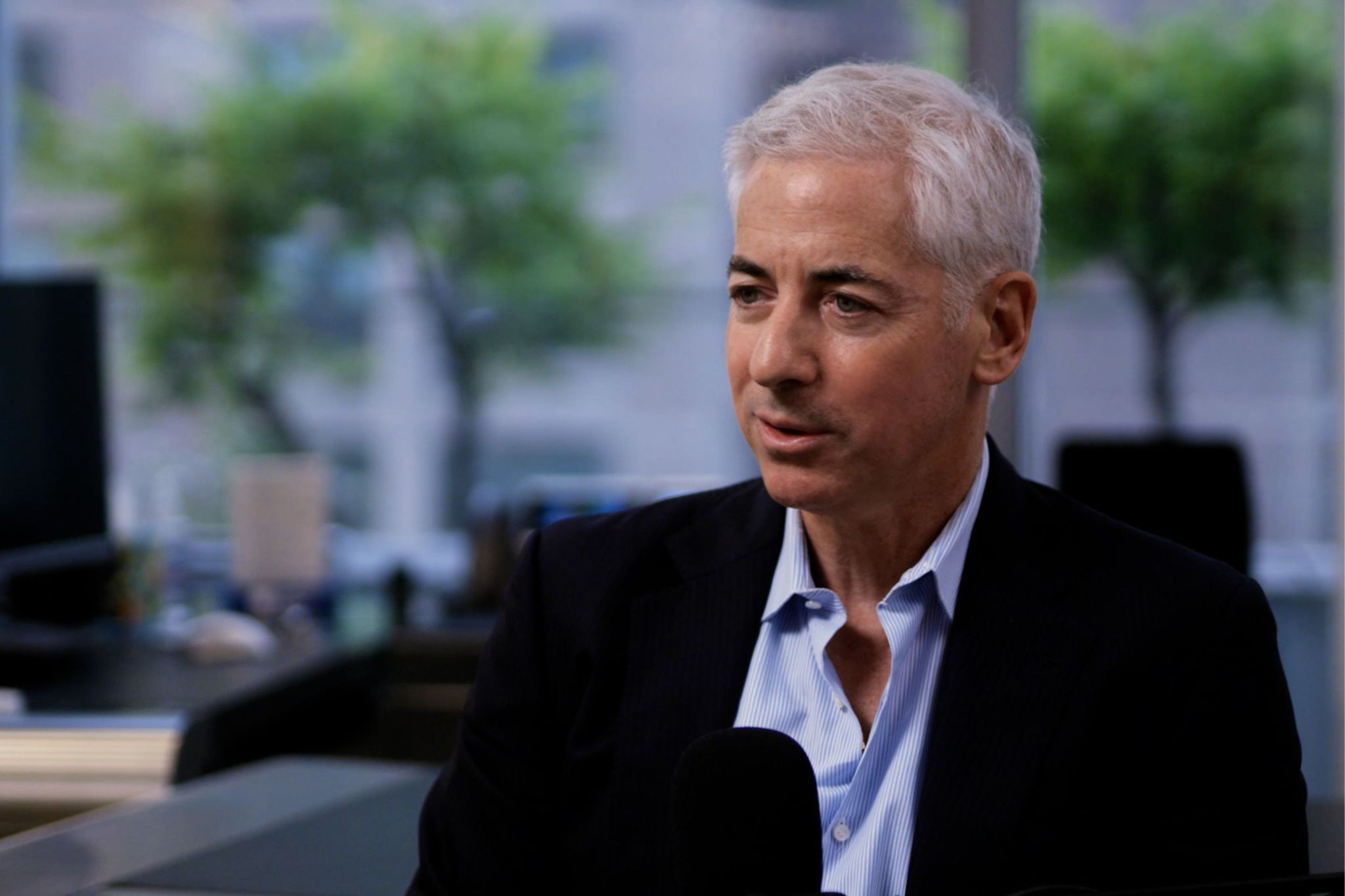
Bill Ackman’s $35 billion hedge fund has under 50 employees and all of them—from janitors to receptionists—own millions in company stock
Staying at one company for decades was once a badge of honor. But as layoffs have become more common and workers have turned to job-hopping for higher pay and career growth, employee loyalty has become harder to find. Billionaire investor Bill Ackman, however, still believes earning employee loyalty is worth every penny.
That’s why his hedge fund Pershing Square, which manages roughly $35 billion in assets, offers its four dozen employees generous workplace benefits, including broad ownership and a rare degree of flexibility for Wall Street.
“There’s not a person at Pershing Square that doesn’t own multiple millions of dollars of stock in the company—whether you’re cleaning the space or at the front desk or another role in the company,” Ackman told Fortune’s editor-in-chief Alyson Shontell on a recent episode of Fortune’s podcast Titans and Disruptors of Industry. “We believe in taking care of our people.”
Ackman’s approach to retention goes beyond financial incentives. While Pershing employees are required to work from the office five days a week—that policy applies only for 10 months of the year. During July and August, employees can spread out as they like, with the company’s investment team moving to the Hamptons together, either in homes they rent or own, to work.
“We look after people, and so that when you operate that way, people don’t think about going anyplace else,” Ackman said.
Pershing also invests heavily in employees’ health and well-being, Ackman said, offering everything from healthy meals in its café to gym access and comprehensive health care benefits. With a staff of just 48 people, Pershing has not had one “undesired departure” from the firm.
“I think everyone here feels accurately that they’re a big contributor to our success, and the result is we can accomplish an enormous amount,” Ackman added.
How Ackman built Pershing into a multibillion-dollar firm with ‘people you want to hang out with’
Ackman grew up in New York before graduating from Harvard with his bachelor’s in 1988 and his MBA in 1992. That year, he founded Gotham Partners with fellow Harvard graduate David P. Berkowitz, but the investment firm later failed in part after its bets on private companies backfired.
In 2004, Ackman launched Pershing Square Capital Management, the activist hedge fund that has grown into one of Wall Street’s best-known investment firms. Since its founding, Pershing has built major stakes in companies including Chipotle, Universal Music Group, and J.C. Penney. The firm went public on the Amsterdam Stock Exchange in 2014.
But on top of the workplace culture itself, Ackman credits much of Pershing’s recent success to the way he’s built out his team.
“[I’m a] big believer in only hiring people of the highest character, human qualities—people you want to hang out with, spend time with,” he said, adding that because employees spend so much of their lives at work, he has prioritized hiring colleagues people genuinely enjoy being around.
“There are a lot of super talented people, but when you combine a super talented person with great human qualities, that’s a great base to build a great culture.”
AI is putting world-class intelligence within everyone’s reach, Ackman says
Throughout his career, Ackman has built a reputation for taking unconventional positions and backing them with conviction—whether making bold investment bets or weighing in on contentious public debates. But looking ahead, the 60-year-old believes artificial intelligence will be the next major competitive advantage, not just for companies but for workers willing to embrace it.
Earlier this year, after Amazon founder Jeff Bezos argued that AI-driven productivity gains could eventually create a labor shortage—and that lower-income Americans should pay no income tax—Ackman said he agreed, calling Bezos’s argument a “powerful case” for the technology’s long-term economic impact.
Ackman expects AI to reshape industries including education and health care, arguing that advanced models can already help people better understand complex medical issues while making expert knowledge far more accessible.
“This is the era in which you can learn anything, and you don’t actually have to read books now,” Ackman said. “You can just ask your AI to teach you whatever it is that you need to learn.”
For Ackman, that’s one of AI’s biggest promises: making world-class expertise available to anyone with an internet connection.
“We’re in a world in which intelligence—very high level of intelligence—is available basically for free,” he told Fortune. “It’s a pretty amazing world.”
This story was originally featured on Fortune.com

North Korea using foreign talent to help infiltrate US companies: Report

The DPRK has turned to third-country IT workers to pass job interviews, after which, the positions are usually taken over by North Korean operatives.
Oracle has set aside $700M more for job cuts it has not made yet
Oracle has raised the cost of its 2026 restructuring by $700M to about $2.8B, covering actions it says it expects to take, and disclosed a plan letting Larry Ellison sell 50 million shares by 24 October. Roughly 92,000 of its 141,000 staff work outside the US, and in the EU collective redundancies require consultation, written […]
This story continues at The Next Web

Your biggest risk? The employees you rely on the most
Cheryl had already lost two of the 12 people on her team in the company’s first reduction in force. Then her product marketing lead resigned to join a competitor. A few weeks later, she was asked to cut two more roles.
But Cheryl, the company’s chief marketing officer, was most concerned about the marketing manager who ran the firm’s content platform—and had told her months earlier that she was burned out. As Cheryl explained, “I need to accelerate our training plan. If she leaves, we’re screwed.”
The people you rely on most can also be your biggest risk.
I’ve thought about Cheryl’s team this summer, mostly while sitting in airports. Three of my flights were canceled and two were severely delayed, and two colleagues had theirs canceled on the same day due to “air traffic control restrictions.”
An independent National Academies report found that 19 of the largest U.S. air traffic control facilities, accounting for 40% of system delays, were more than 15% below their staffing targets.
The gap was years in the making, and is difficult to reverse. Between fiscal 2010 and fiscal 2024, the number of controllers shrank by 13% even as operations rose by 4%. Overtime more than tripled as the system relied more on the controllers who remained.
Hiring alone will not quickly restore capacity. As of April 2026, the Federal Aviation Administration (FAA) had about 4,000 controllers in the training pipeline—but at the largest facilities, new hires take an average of 5.5 years from a tentative job offer to become fully certified.
For most businesses, roles don’t require certification, so it’s assumed replacing someone will be relatively quick. Yet what Cheryl’s manager knows took five years to learn and lives nowhere but in her head. That is a certification period as well, just without the governing body.
When a role disappears during a reorganization, the work is reallocated to those who remain. After repeated layoffs, employees may be carrying work from several previous iterations of the team, spanning multiple roles and responsibilities, with processes that were never designed for fewer people. Yet as long as targets continue to be met, leaders may mistake that performance for proof that the team structure is sound. This is a mistake.
Stop covering the gap
The FAA’s mistake wasn’t using overtime. It was allowing a temporary fix to compensate for a problem that had been building for over a decade. For years, the FAA hired fewer controllers than its own staffing models said it needed. At critical facilities, the certified controllers needed to train new hires were also needed to keep daily traffic moving. This limited how many new controllers a facility could train at a time.
The FAA should have protected enough certified-controller time for training and directed staffing to facilities with the greatest impact on delay, rather than relying on the existing workforce to cover a structural gap.
This pattern also plays out in companies, just less overtly. A role is eliminated, yet no work is eliminated with it. Instead, the remaining employees cover the difference—even though they are often the same people who hold the knowledge and relationships needed to train whoever comes next.
With her marketing manager at risk and nearly half her team already gone or slated for cuts, Cheryl first needed to determine what work her team could stop or pause without jeopardizing key priorities.
When she looked closely, she found that some of the work consuming her team’s capacity wasn’t marketing work at all. Her marketing manager, for example, was spending most of her week reconciling data for the product team to produce the marketing materials she was responsible for.
That’s how a broken process gets absorbed instead of fixed. The work still gets done, and it buys the organization time. The question is what leaders do with that time.
Before asking your most reliable people to absorb more, identify the work they shouldn’t be carrying in the first place. Ask: What inputs have we taken on because we own the output? What processes no longer make sense now that we’re a smaller team? What work is outside of our top priorities and can be paused for the time being? Then align on the revised workload and process with your boss and peers.
Make room for other people to own the work
Your next step is to ensure what remains isn’t held by one person. That does not mean assigning someone to shadow your employee; it means giving someone else a piece to own outright.
Air traffic control trainees work “live traffic” under supervision until they can manage the position alone. Yet in companies, observation is often the whole training plan.
The distinction matters. A backup learns what the job is like. Someone who owns part of it learns how to actually do the job: what hasn’t been written down and what happens when something goes wrong.
A tax leader I work with began delegating more work to a director on his team. Within a few months, the director took on a project she wouldn’t historically have touched. As he described it, she was “aggressively wanting to push [the project] forward” to the point that he had to rein in the pace. That came from ownership, not assistance.
Cheryl discovered another complication: The person you are trying to protect may not want to give the work up. Her marketing manager’s scope had just been reduced, and now she was being asked to hand off part of what remained to a more junior colleague. Together, these felt like a demotion.
Cheryl had to say out loud what she’d assumed was obvious. The objective was not to diminish the marketing manager’s impact, but to increase it, by freeing up her time to focus on the activities on her scorecard while building redundancy into critical functions across the department.
Invest in redundancy on your own schedule
Cheryl’s marketing manager had been burned out for months before Cheryl knew, and shifting job responsibilities may take longer than an employee’s patience. Sometimes you can’t stop the work at all, because the function that owns it won’t take it back an